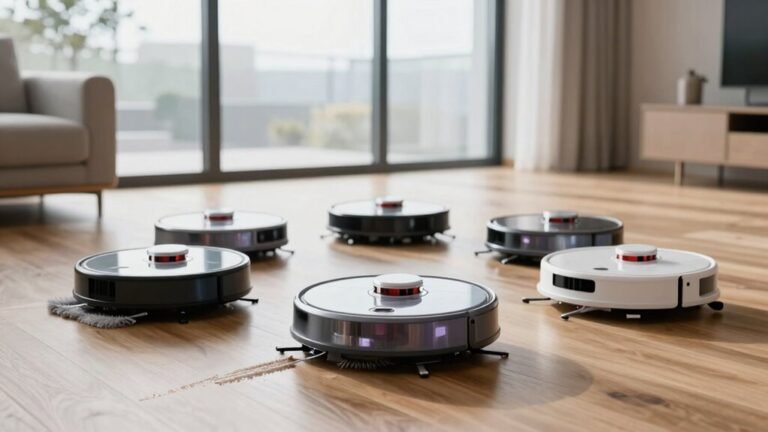
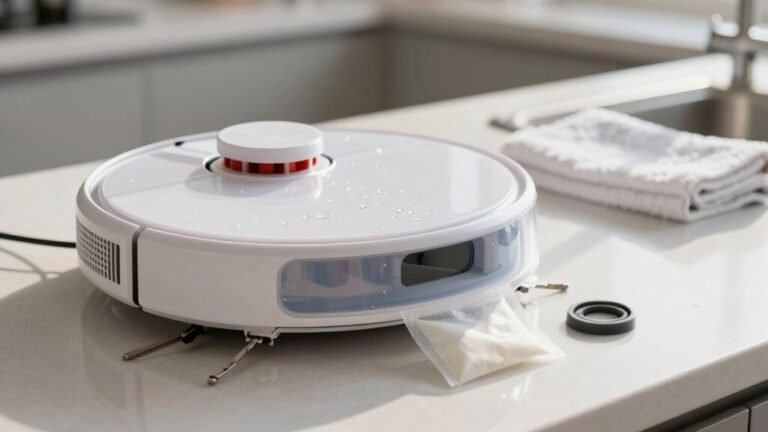
Are Robot Mops Safe for Wooden Floors?
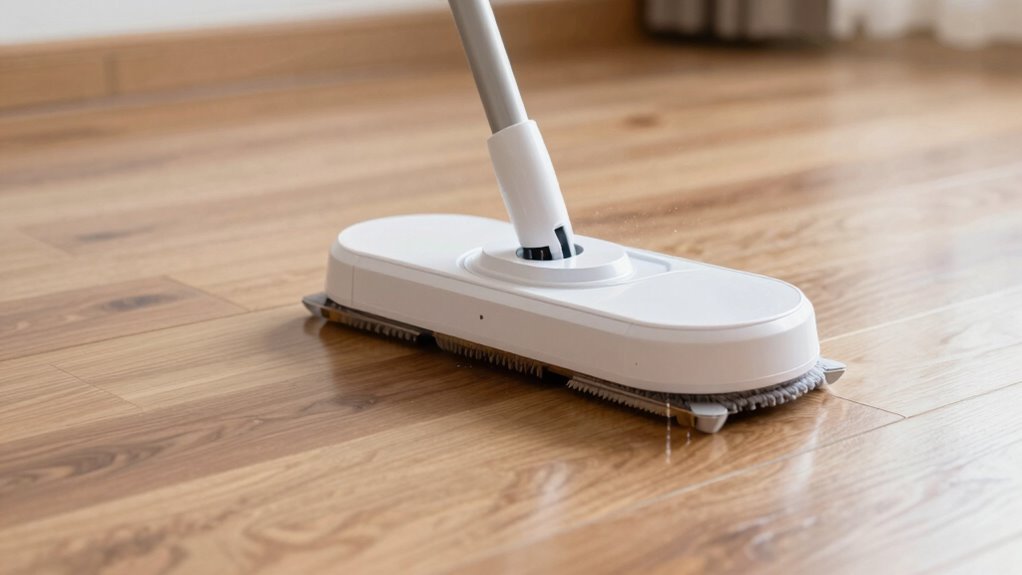
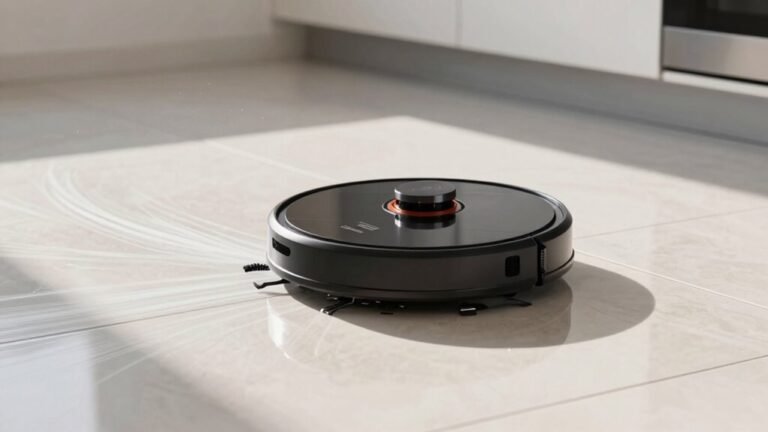
Yes, robot mops are safe for wooden floors—if you choose the right model. The best robot mops for wooden floors combine gentle cleaning with smart technology to avoid damage.
They use soft rubber wheels and gentle brushes to prevent scratches. Smart water control systems ensure the floor isn’t soaked, reducing the risk of warping.
Many models automatically lift the mop when transitioning to carpets. Microfiber pads are used to trap dust and protect the floor’s finish.
Avoid cheap models that leak water or push debris aggressively. These can harm wooden surfaces over time.
Can Robot Mops Damage Hardwood Floors?
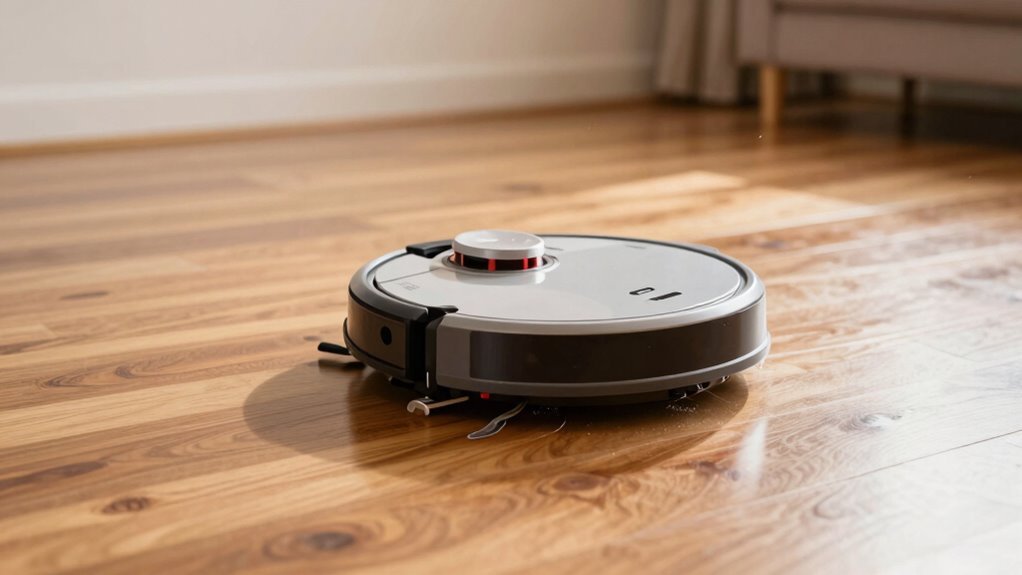
Ever wonder if your handy robot mop might secretly be plotting against your beautiful hardwood floors?
Well, not all robots are guilty—some can actually scratch or scuff your floors if you’re not careful.
Stiff brushes dig in, leaving tiny marks that dull the shine over time, and clogged rollers just push dirt around like tiny bulldozers.
Those hard plastic wheels? They trap sand and drag it across the surface, basically giving your floor a rough sandpaper treatment.
Ouch.
But don’t panic—many modern bots use soft rubber wheels and gentle brushes that play nice with wood.
Smart navigation helps too, so your robot isn’t crashing into baseboards like a confused toddler.
Just keep it clean and pick a model built for hardwood.
Your floors won’t have to live in fear—phew!
And with truly smart mopping, water is applied in a fine, controlled way that dries fast and won’t seep into seams.
What Features Prevent Water Damage on Wood?
How does your robot mop keep your wooden floors safe from water damage? It’s smarter than you think! With features designed just for delicate hardwood, your robot avoids soggy messes and keeps things dry and damage-free.
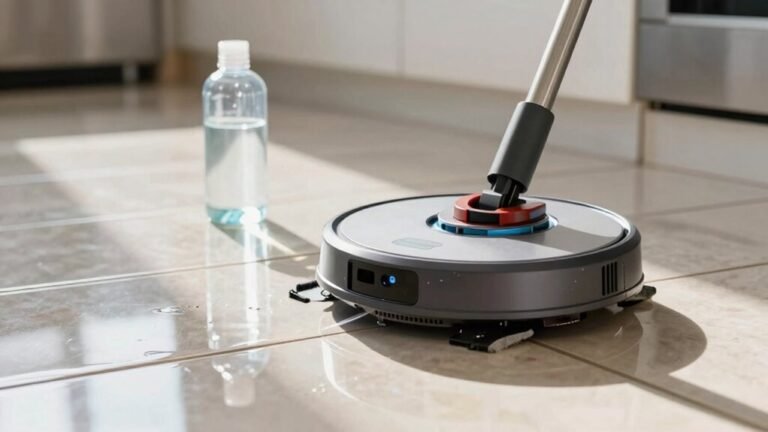
- Adjustable water flow: You control exactly how much moisture is released—perfect for a light, safe clean.
- Fresh water systems: Clean water washes the mop as it goes, so dirty water never smears or soaks your floors.
- Mop-lifting tech: The robot lifts its mop when not actively cleaning, skipping unnecessary wetting on your prized planks.
No floods, no warping—just a quick, gentle glide that dries fast.
It’s like giving your floors a spa day without the drama.
You’re not just cleaning; you’re protecting your wood with every pass.
Who knew robots could be this thoughtful?
Even advanced models like the Roborock Qrevo Pro use intelligent mop lift/auto-lift technology to ensure mops only engage when needed, preventing excess moisture on sensitive hardwood surfaces.
Which Mopping Modes Are Safest for Hardwood?
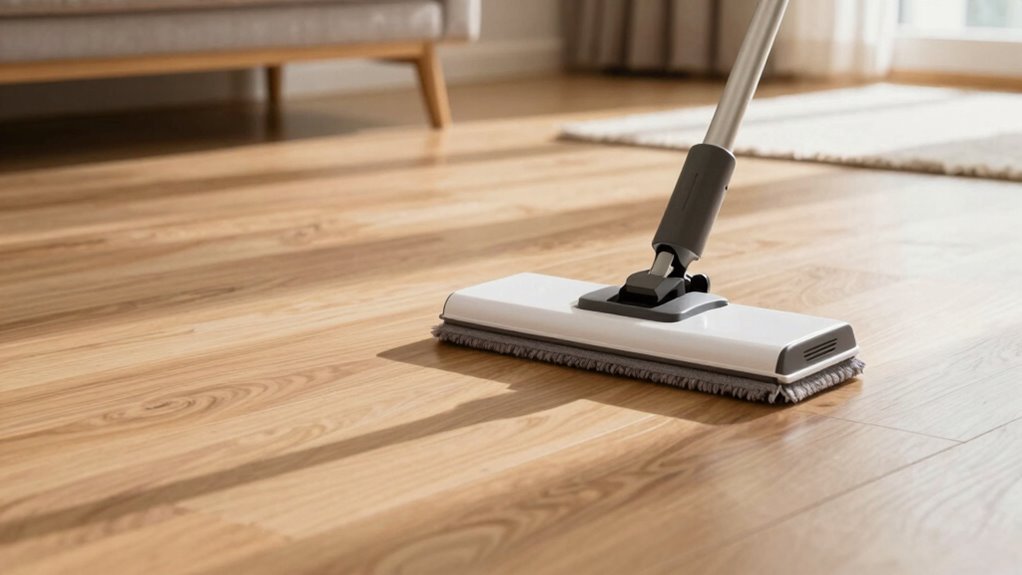
Why risk warping your gorgeous hardwood when you can clean it smarter? Use the LowWaterFlow mode—it’s your best friend.
Just dial down the water, keep things light, and let the robot do its thing without flooding your floors.
For extra safety, go dry mopping first on unsealed wood; no water means no worries.
When you’ve got mixed floors, MopLiftingMode kicks in like magic, lifting damp pads over carpets so your hardwood stays bone dry.
And don’t forget SoftPadMode—those fluffy microfiber pads glide gently, grabbing dust without scratching.
HardFloorMode also helps by calming down suction and lifting brushes so your finish stays pristine.
Skip harsh cleaners; just use water.
Your floors aren’t just clean—they’re dancing in comfort, happy and scratch-free!
How Often Should You Use a Robot Mop on Wood Floors?
What’s the sweet spot for keeping your wood floors gleaming without inviting trouble?
For most folks, once a week does the trick—especially if your floors are sealed with polyurethane.
If you’ve got pets or a bustling household, bump it up to two or three times weekly.
Quiet rooms? You can stretch it to once a month.
Just remember: spills need instant attention, and over-mopping can lead to warping or mold, so don’t go wild.
Robot mops make life easier with smart settings and self-cleaning stations—perfect for staying on track without lifting a finger (well, almost).
- Pet parents, rejoice: more mops mean less fur tumbleweeds.
- High-traffic zones? They’ll love the weekly spa treatment.
- Smart apps let you tweak schedules like a cleaning DJ.
How to Pick a Robot Mop That’s Safe for Hardwood
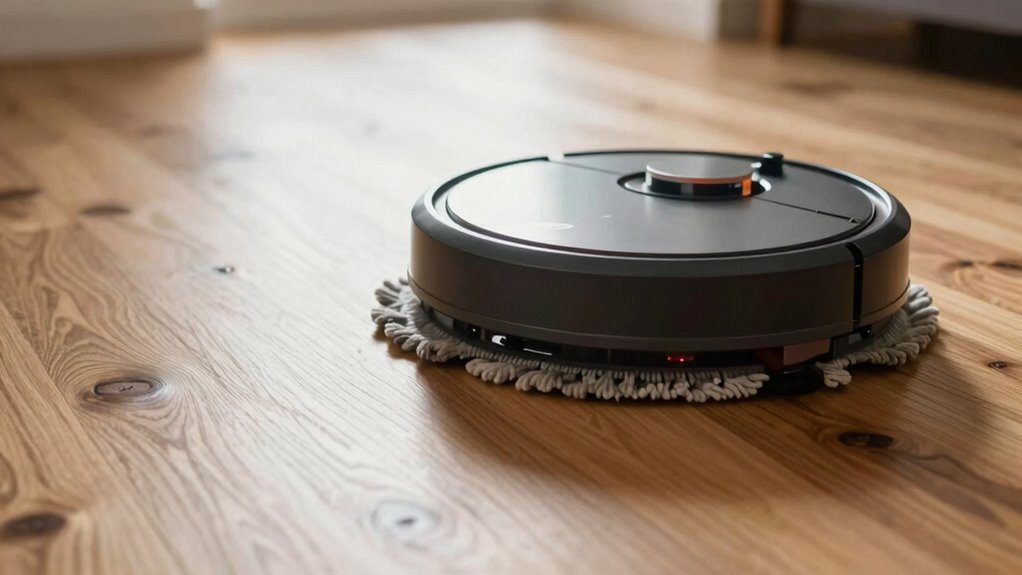
You’ve got your mopping schedule down—maybe even labeled your robot like it’s your coffee order—but now it’s time to make sure your bot is actually a friend to your floors and not secretly plotting warping with every pass.
Look for precision water control so it’s not flooding your hardwood with every sweep.
Choose one with soft rubber wheels and non-abrasive brushes to avoid scratches—because nobody wants their floors looking like a scratched-up record.
Pick a model that detects hardwood and adjusts suction or lifts the mop pad over rugs automatically.
Always check that it’s safe for sealed or engineered wood, and skip harsh cleaners—just use water or pH-balanced solutions.
Clean the brushes, dry the mop pad, and inspect wheels regularly to keep grit from turning your shiny floors into a sandpaper zone.
Your robot should protect your floors, not ruin your renovation regrets.
Robot Mop Models Designed for Hardwood Safety
A smart robot mop doesn’t just clean your floors—it respects them, especially when you’re talking about beautiful hardwood.
You want a cleaning partner that’s tough on dirt but gentle on grain, and the right model makes all the difference.
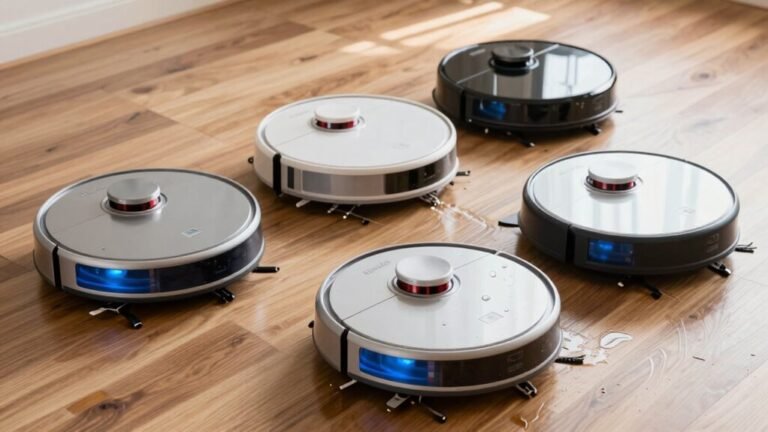
- Roborock Saros 10R: Nails edge cleaning and uses precise water control so your floors stay dry and dazzling
- MOVA P10 Pro Ultra: Delivers premium performance without the premium price, plus it dodges toys like a pro
- DEEBOT T30C: Lifts its mop on carpets and tackles stains intelligently, all while drying pads with hot air—no mildew, no mess
These models don’t just mop—they protect, adapt, and impress, all while you kick back.
With smart sensors, soft pads, and zero over-wetting drama, your hardwood’s in good hands.
Who knew cleaning could be this clever—and this easy?
Frequently Asked Questions
Can Robot Mops Detect and Avoid Area Rugs on Hardwood Floors?
Yes, robot mops can detect and avoid area rugs on hardwood floors—no surprise rug wrestling required!
They use smart sensors and AI to spot carpet edges, then lift the mop or steer clear.
You can even set no-go zones in the app, so your bot won’t wander where it shouldn’t.
Just watch for fringes or dark rugs that might trick its vision—nobody wants a mop-tangling drama!
Do Robot Mops Require Special Cleaning Solutions for Wood Floors?
Yes, you do need special cleaning solutions for wood floors—think of your robot mop like a picky espresso machine: use the wrong beans, and it sputters.
Stick to low-foam, manufacturer-approved formulas like Bona or iRobot’s cleaner.
They’re gentle on sealed wood and won’t gunk up your bot.
Skip dish soap—it’s a foam party you didn’t invite!
Your floors stay shiny, and your mop stays happy.
Win-win!
Are Robot Mops Safe to Use on Waxed Hardwood Surfaces?
Nope, you shouldn’t use robot mops on waxed hardwood—sorry!
That moisture sneaks under the wax, causing warping, watermarks, or worse.
Think of it like giving your floor a bubble bath it never asked for.
Stick to dry vacuuming only, or you’ll risk ruining the finish.
If you *must* clean, spot-test first and skip the mop function.
Your waxed floors will thank you—no soggy wood allowed!
Can Pet Hair Affect a Robot Mop’s Performance on Wood Floors?
Yeah, pet hair can definitely throw a wrench in your robot mop’s game on wood floors.
It clings to the mop pad, making it drag and scrub less effectively.
You’ll notice streaks or missed spots, especially in corners.
Think of it like mopping with a fuzzy sock—annoying, right?
Empty the vacuum bin regularly and sweep high-traffic areas to keep your bot’s mopping game strong and smooth.
Do Robot Mops Work Well Around Floor Vents on Hardwood?
You bet they do—robot mops tiptoe around floor vents like ninjas avoiding laser traps!
With smart sensors and slick navigation, they glide over or near vents without getting stuck.
Some even map your room to dodge trouble spots.
Sure, they’re not psychic, but they’re clever enough to keep from making a mess.
Just clear big debris, and let your robo-mop strut its stuff—effortless, witty, and oddly charming.
Conclusion
You’re good to go with robot mops on wood floors—especially when you pick one with smart water control and gentle brushes. Just don’t flood your castle like it’s the 1800s! Stick to light mopping modes, avoid daily soaking, and your floors will stay shipshape. Think of your robot as a trusty knight, not a steamroller. Smart choices today mean shiny, scratch-free floors tomorrow!
References
- https://www.dreametech.com/blogs/blog/robot-vacuum-safe-hardwood-floors
- https://www.ecovacs.com/au/blog/can-you-vacuum-hardwood-floors
- https://www.jakestonehardwoods.com/blog/why-robot-vacuums-are-a-smart-way-to-keep-your-hardwood-floors-clean-and-protected
- https://www.kuhnflooring.com/the-pros-and-cons-of-robot-vacuums-on-hardwood-flooring/
- https://www.eufy.com/blogs/robovac/are-robot-vacuums-safe
- https://us.roborock.com/blogs/blog/dos-don-ts-cleaning-hardwood-floors-without-damaging-them
- https://www.ecovacs.com/us/blog/do-robot-vacuums-scratch-floors
- https://woodchuckflooring.com/are-robot-vacuums-safe-for-hardwood-floors/
- https://homesupport.irobot.com/s/article/28510
- https://us.narwal.com/blogs/robot-vacuum/robot-vacuum-safe-hardwood-floor