How to Prevent Mold in Robot Vacuum Mop Tanks
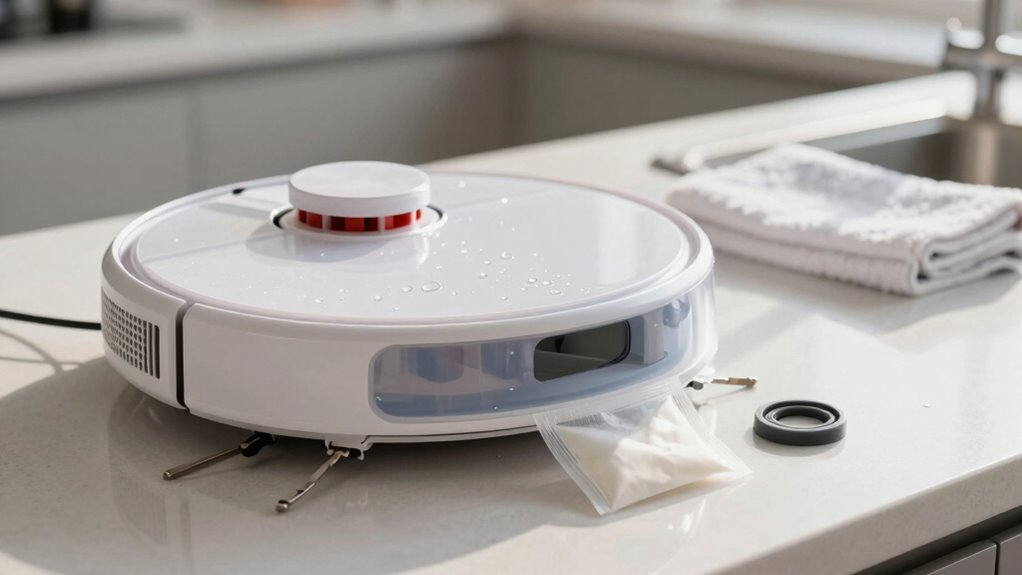
To prevent mold in robot vacuum mop tanks, always empty the tank after each cleaning session. Standing water creates the perfect environment for mold growth, turning your robot’s tank into a breeding ground.
Rinse the tank weekly with warm, soapy water and allow all parts to air-dry completely. Think of it like sunbathing your robot’s components—dryness is key to keeping mold at bay.
For tough residue or lingering odors, wipe down the tank with vinegar, a natural disinfectant that acts like mold’s worst enemy. Don’t forget to inspect seals and valves, as these small spaces trap moisture and debris easily.
Keeping your robot vacuum mop tanks clean and completely dry after every use stops mold before it starts. A little routine maintenance saves you from unpleasant smells and potential damage. Here’s a pro tip or two to make mold prevention even easier…
What Causes Mold in Mop Tanks?
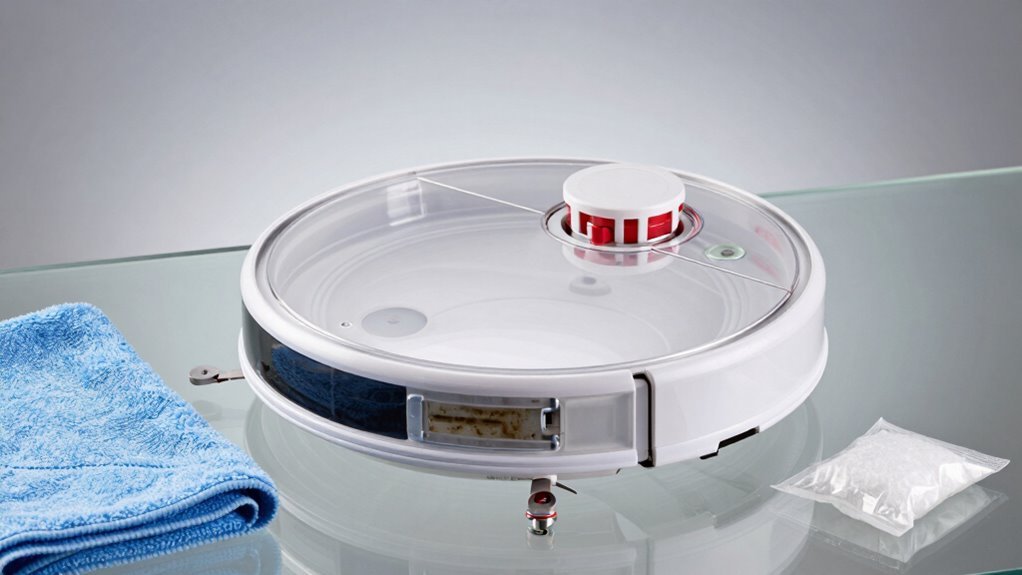
Ever wonder why your robot vacuum’s mop tank suddenly smells like a science experiment gone wrong?
That funky stink?
It’s not magic—it’s mold throwing a party in there.
Stagnant water left after mopping creates the perfect slimy playground for bacteria and mold.
Even if you empty the tank, residual moisture hides in corners thanks to tricky tank designs.
Warm, humid air speeds things up—microbes multiply fast when it’s cozy.
Trapped wet mop pads, dirty filters, and leftover detergent add fuel to the fire.
Pet hair, dust, and skin flakes? Oh yeah, they’re basically microbial buffets.
And if your vacuum’s sealed up tight with no airflow, smells build up like a bad joke with no punchline.
Moisture retained in the machine leads to musty odors when in use.
It’s a wet, warm, gunk-filled paradise for mold—so don’t let your robot turn into a science fair project.
Empty the Tank After Every Use to Prevent Mold
Because your robot vacuum’s mop tank is basically a tiny breeding ground just waiting to happen, dumping the dirty water after each run isn’t just smart—it’s essential.
You’re not just cleaning floors; you’re stopping bacteria and mold from throwing a pool party in your robot’s tank.
Leaving nasty water sitting for over 24 hours? That’s basically a VIP invite for slime and swampy smells.
Empty it every time—yes, *every time*—to crush biofilm before it forms and keep things fresh.
Think of it as bedtime hygiene for your bot.
And hey, if you skip this, don’t be surprised when your vacuum starts smelling more like a locker room than a clean home.
A quick dump takes 10 seconds but saves you headaches later.
Your future self—and your nostrils—will thank you.
Stay on top of it, and your robot stays happy, healthy, and ready to roll.
This habit aligns with the 24-Hour Rule to prevent microbial buildup.
Rinse Away Grime and Mineral Buildup Weekly
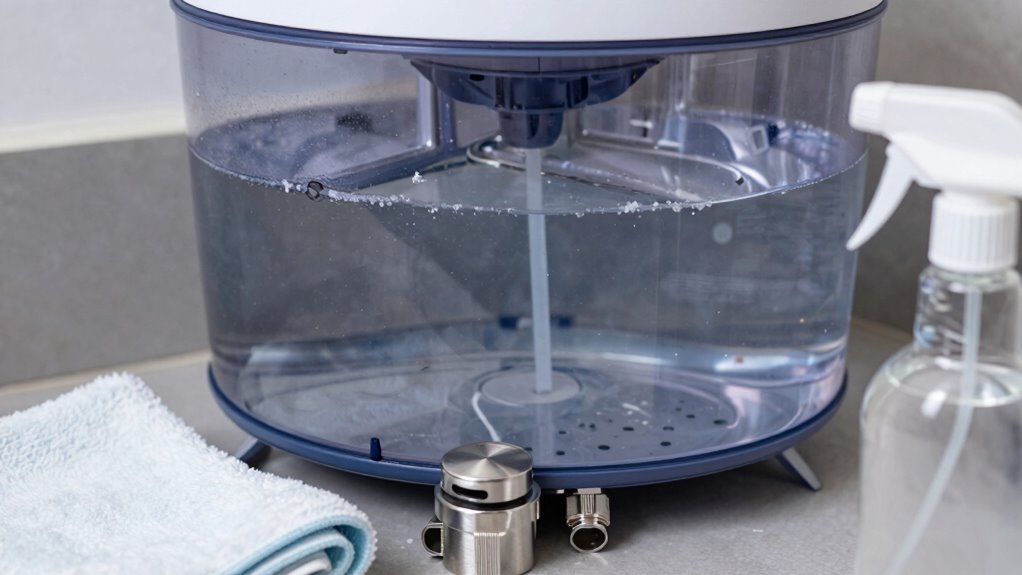
You’ve emptied the tank—awesome, mold doesn’t stand a chance.
Now, let’s kick grime and minerals to the curb with a weekly rinse.
Grab that removable tank—whether it’s for clean or dirty water—and give it a good wash with warm, soapy water.
Yes, even if the dock emptied it, that dirty tank still needs love.
Warm water loosens gunk and zaps mineral buildup, while a drop of mild dish soap wipes out residue and keeps things fresh.
Scrub gently, rinse thoroughly, and wave goodbye to stink-causing bacteria.
Do this every seven days—pair it with filter cleaning, and boom, you’ve got a rhythm.
For clean-water tanks, this weekly spa treatment prevents mildew and keeps every mopping pass effective.
Think of it as a mini shower for your robot’s tanks.
Simple, quick, and oh-so-satisfying.
Your robot will thank you—and so will your floors.
Dry the Tank and Parts Fully Before Storing
Flip that tank upside down and let it breathe—literally.
Gravity’s your best friend here, helping every last drop drain out so mold doesn’t throw a pool party in the corners.
After rinsing, pop that tank on its lid in a well-ventilated spot—think open air, not a dark closet.
Take everything apart: filters, pads, even the dustbin.
Let each piece dry solo—no sharing damp hugs.
Moisture loves to hide, so give them space and time.
If your base has a warm air cycle, awesome—let it work its magic.
Otherwise, air drying for at least 24 hours is golden.
Check that nothing’s slick or damp before storing.
Oh, and stash it empty—nobody likes stale water.
Trust us, your robot (and nose) will thank you later.
Dry gear means happy mopping and no surprise slime shows!
Clean With Vinegar to Kill Mold Naturally
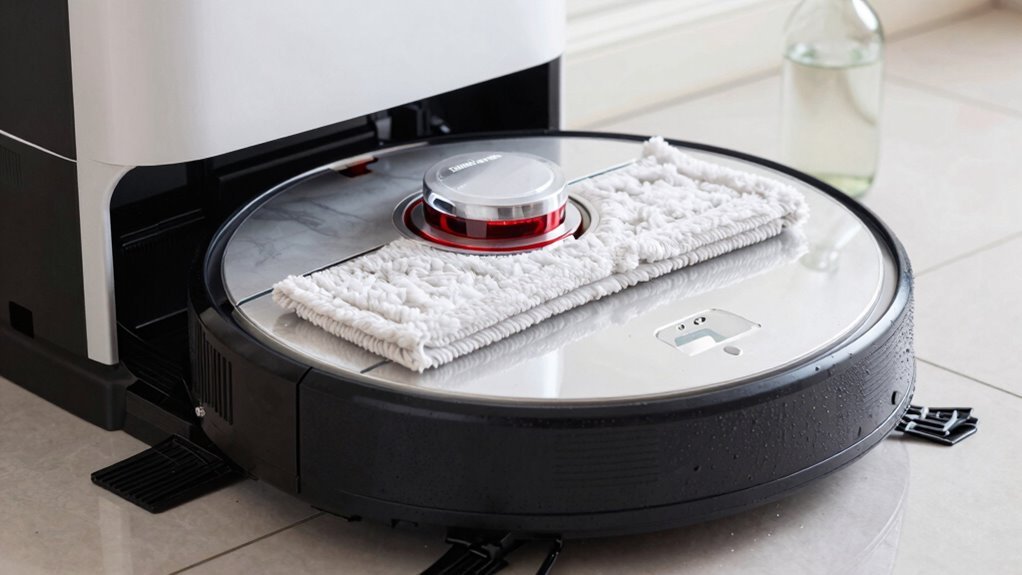
While your robot vacuum mop works hard to keep floors spotless, mold can quietly crash the party—especially in damp corners of the tank.
Fight back naturally by cleaning with vinegar—it’s strong, safe, and seriously effective.
Just grab a bottle of white distilled vinegar and let it work its magic.
- Spray it straight: No dilution needed—undiluted vinegar packs the strongest punch against mold and spores.
- Let it sit: Give it at least an hour to soak in and shut down mold growth in its tracks.
- Wipe and rinse: Afterward, wipe down the tank with a cloth—goodbye, mold, hello freshness!
Vinegar’s mild acidity kills most mold species without harming your mop’s plastic or metal parts.
Sure, it stinks a bit at first, but the smell fades fast—unlike stubborn black mold.
It’s a simple, natural win for your cleaning routine.
Your robot works hard—treat it to a vinegar spa day every few weeks, and you’ll both breathe easier.
Check Seals and Valves for Trapped Moisture
Spotting trouble before it soaks in keeps your robot vacuum mop running happy and mold-free.
You’ve cleaned with vinegar—great!
Now, check those seals and valves like a mold detective.
Cracked or worn rubber gaskets? They’re sneaky moisture traps.
Peek at them after each use; gunk or discoloration means it’s time to act.
Replace every few months—it’s like a spa day for your mop.
Valves get fussy too, especially if mineral gunk from hard water clogs them.
Air pockets love to hide there, turning your tank into a mini swamp.
Tilt and drain fully, then test the valve by running water through the empty tank—fun, right?
Wipe parts dry with a cloth, because nobody likes a damp robot.
And hey, proper seating isn’t just for kids at dinner—make sure everything clicks snugly.
A well-checked mop is a mold-free mop.
Keep it dry, keep it tight, and your floors will thank you—no funky surprises!
Frequently Asked Questions
Can I Use Bleach Instead of Vinegar to Clean the Tank?
No, you can’t use bleach instead of vinegar—it’s a no-go.
Bleach damages seals, corrodes parts, and mixes badly with leftover cleaners, creating toxic fumes.
It also voids your warranty and causes messy suds.
Stick to plain water or approved solutions.
Your robot’s happier without harsh chemicals.
Think of it like giving your vacuum a spa day, not a science experiment gone wrong!
How Often Should I Replace the Mop Pad?
You should replace your mop pad every 2 to 6 months, or sooner if it’s frayed, stiff, or still smells funky after washing.
Got pets?
Clean more often—they shed like tiny tornadoes.
Use disposable pads?
Toss ’em after one or two mops.
Wash reusable ones weekly, especially if you’ve got carpets or muddy paws.
Your robot’s app might nudge you too—listen, it’s like a tiny, overly-enthusiastic housekeeper in your pocket.
Is It Safe to Leave Water in the Tank for 24 Hours?
No, it’s not safe—you really shouldn’t leave water in the tank for 24 hours.
Bacteria and mold start partying like it’s 1999 the moment you walk away, and by tomorrow, that once-clean water turns into swamp juice.
Empty it right after use—your robot (and nose) will thank you.
Keep things fresh, fast, and fun, and skip the stink show!
Can Mold in the Tank Affect My Robot’s Performance?
Oh, absolutely, mold’s not just throwing a party in your tank—it’s crashing your robot’s whole system.
It clogs the works, ruins scrubbing power, and turns your slick mopper into a streaky mess.
You’ll smell mildew, not clean floors, and worse, it forces you to babysit a bot that should run itself.
Keep it dry, keep it clean, and don’t let fungus throw a spa day in your smart tech.
Are There Mold-Resistant Tanks Available for Purchase?
You won’t find tanks that are truly mold-resistant, but you’re in luck—many replacement tanks are super easy to take apart and clean, which helps stop mold before it starts.
Just grab a compatible spare, clean it regularly, and swap it out every few months.
It’s like a spa day for your robot, minus the cucumber water.
Stay on top of it, and you’ll keep things fresh and funk-free!
Conclusion
You’ve got this! Remember, an ounce of prevention beats a pound of cleanup any day. Empty that tank, give it a good rinse, and let everything dry completely—no damp hideouts for mold! A weekly vinegar wash keeps things fresh and funky-free. Check seals like a pro hunting for crumbs. Stay on top of it, and your robot will stay happy, healthy, and ready to roll. Mold doesn’t stand a chance!
References
- https://us.narwal.com/blogs/product/robot-vacuum-smell
- https://www.mi.com/global/support/faq/details/KA-588778/
- https://www.galaxus.it/en/page/two-household-remedies-that-eliminate-the-smell-of-old-water-from-your-robot-vacuum-cleaner-36398
- https://www.youtube.com/watch?v=hmh8cX6-0Ps
- https://community.tp-link.com/en/home/forum/topic/696322
- https://www.techtongbo.com/post/how-to-stop-your-robot-vacuum-s-dirty-water-tank-from-smelling-a-complete-guide
- https://www.lefant.com/blogs/reviews/how-self-cleaning-systems-in-robot-vacuums-with-base-stations-work-1
- https://www.ecovacs.com/us/blog/how-to-clean-robot-vacuum-cleaner
- https://www.galaxus.at/en/page/two-household-remedies-that-eliminate-the-smell-of-old-water-from-your-robot-vacuum-cleaner-36398
- https://us.eureka.com/pages/j20