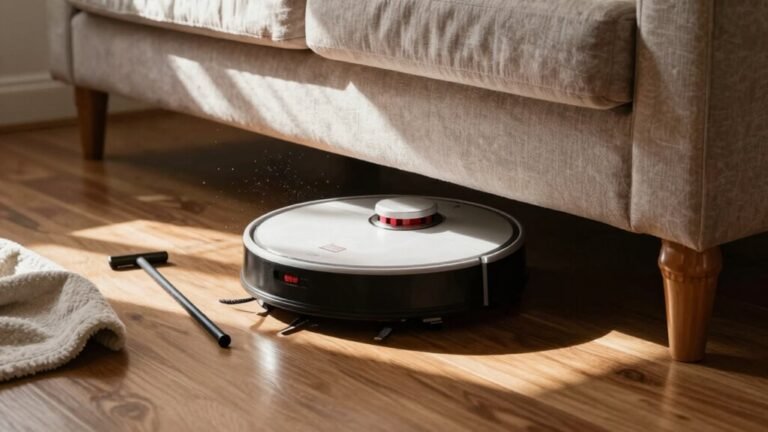
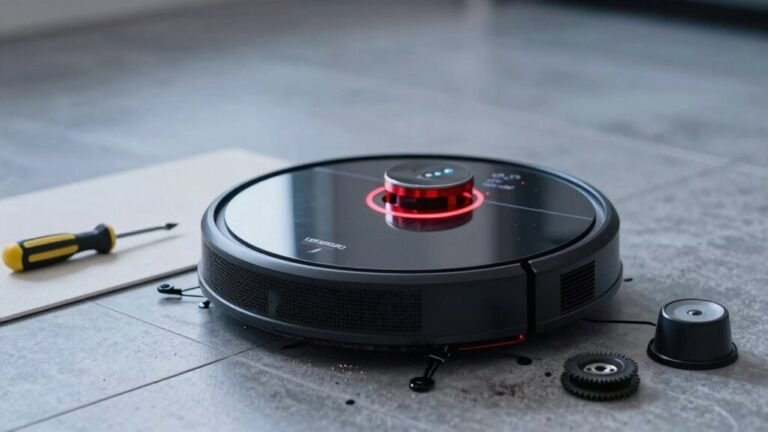
3 Robot Vacuums That Are Easy to Repair (And Actually Built to Last)
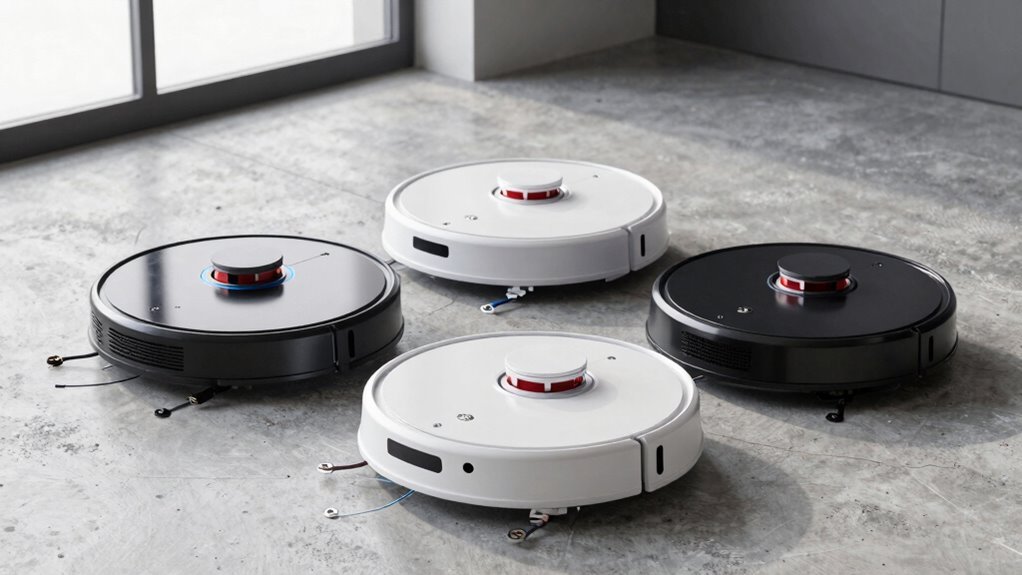
You’re tired of replacing your robot vacuum every two years—why not choose one that actually lasts?
The Lefant M210 Pro is one of the 3 robot vacuums that are easy to repair and actually built to last.
With tool-free access and a modular design, replacing parts is quick and simple. The $12.99 brushroll takes under 90 seconds to swap, and swappable Voeg-style kits make upgrades easy.
Regular maintenance is straightforward, with serviceable filters that should be replaced every 3–4 months. This means you’re not trashing a $250 machine over a $7 part—just a few sensible repairs keep it running long-term.
| Shark Robot Vacuum Replacement Parts by Techecook | Longevity Focused | Suction Power: Not specified | Remote Control: Not mentioned | App Control: Not mentioned | VIEW LATEST PRICE | Read Our Analysis | |
| Lefant M210Pro Robot Vacuum Cleaner with Remote Control | Senior Friendly | Suction Power: Not specified | Remote Control: Included | App Control: Lefant APP available | VIEW LATEST PRICE | Read Our Analysis | |
| Lefant M210 Pro Robot Vacuum Cleaner and Remote | Pet Owner Preferred | Suction Power: 2200Pa | Remote Control: Included | App Control: Lefant APP available | VIEW LATEST PRICE | Read Our Analysis |
More Details on Our Top Picks
Shark Robot Vacuum Replacement Parts by Techecook
If you’ve ever wondered whether your Shark robot vacuum can really stand the test of time—especially when it’s constantly battling pet hair, fine dust, and the occasional rogue cereal crumb—then the Techecook replacement parts kit might just be your best bet for keeping it running like new. You’ll get six side brushes (102KY1000) made of thermoplastic elastomer and nylon, which flex into corners and, if bent, can be revived with a soak in hot water—clever, right?
Three premium HEPA filters (RVFFK950, 1172FK870) trap 99.97% of particles as small as 0.1 micron, protecting both your vacuum’s motor and your lungs. The Powerfin bee-wing roller brush—built with soft rubber and high-strength materials—handles hair and debris without tangles.
The included cleaning tool helps you maintain peak performance; just replace brushes and filters every 2–4 months. It’s compatible with dozens of models (RV1001AE, AV911S, QR1000SG, etc.), though not AV2501 or AV2502—so double-check.
Installation is tool-free and straightforward. And if you’re unsure, the seller offers support, plus warranty-backed service for defects—because even the best plans sometimes need a backup.
- Suction Power:Not specified
- Remote Control:Not mentioned
- App Control:Not mentioned
- Auto Recharge:Not mentioned
- Noise Level:Not mentioned
- Replacement Parts:Includes brushes, filters, roller brush
- Additional Feature:HEPA filters capture micro-litter
- Additional Feature:Soft roller brush safe on floors
- Additional Feature:Side brushes self-clean with hot water
Lefant M210Pro Robot Vacuum Cleaner with Remote Control
Who says you need a smartphone to handle housework—especially when the Lefant M210Pro hands you a physical remote that actually works without Wi-Fi? You’ve got full control—no app required—making it ideal if you’re tech-wary or just hate loading another app.
At 2.99 inches tall, it slips under furniture easily, and its quiet operation won’t scare pets or interrupt your show. You get strong suction that grabs pet hair and debris, thanks to a clog-resistant inlet.
Schedule cleanings via the Lefant app when you do want remote access, and it’ll auto-recharge—resuming after power-ups—delivering up to 120 minutes of runtime.
- Suction Power:Not specified
- Remote Control:Included
- App Control:Lefant APP available
- Auto Recharge:Yes
- Noise Level:Very quiet
- Replacement Parts:Not mentioned
- Additional Feature:Cleans without Wi-Fi needed
- Additional Feature:Ultra-low 2.99” profile design
- Additional Feature:Remote accessible for seniors
Lefant M210 Pro Robot Vacuum Cleaner and Remote
The Lefant M210 Pro Robot Vacuum Cleaner and Remote is a solid pick for pet owners who want reliable, low-maintenance cleaning without sacrificing control or longevity—especially if you’re tired of vacuums that choke on pet hair or get stuck under the couch. You get 2200Pa suction, a brushless inlet (no more clogs), and dual side brushes that actually reach into corners.
Freemove Tech 3.0 helps it wiggle free when pinned—because let’s be honest, how many robots really escape sofa jail? At just 2.99 inches tall, it slims under furniture, runs quietly, and boosts suction on carpets automatically.
You can control it via app, Alexa, remote, or buttons—yes, even schedule cleanings remotely. Though die-hard tech fans might wish for laser mapping.
- Suction Power:2200Pa
- Remote Control:Included
- App Control:Lefant APP available
- Auto Recharge:Yes
- Noise Level:Quiet operation
- Replacement Parts:Not mentioned
- Additional Feature:Carpet boost auto-suction increase
- Additional Feature:Freemove Tech 3.0 self-recovery
- Additional Feature:Six versatile cleaning modes
Factors to Consider When Choosing Robot Vacuums That Are Easy to Repair
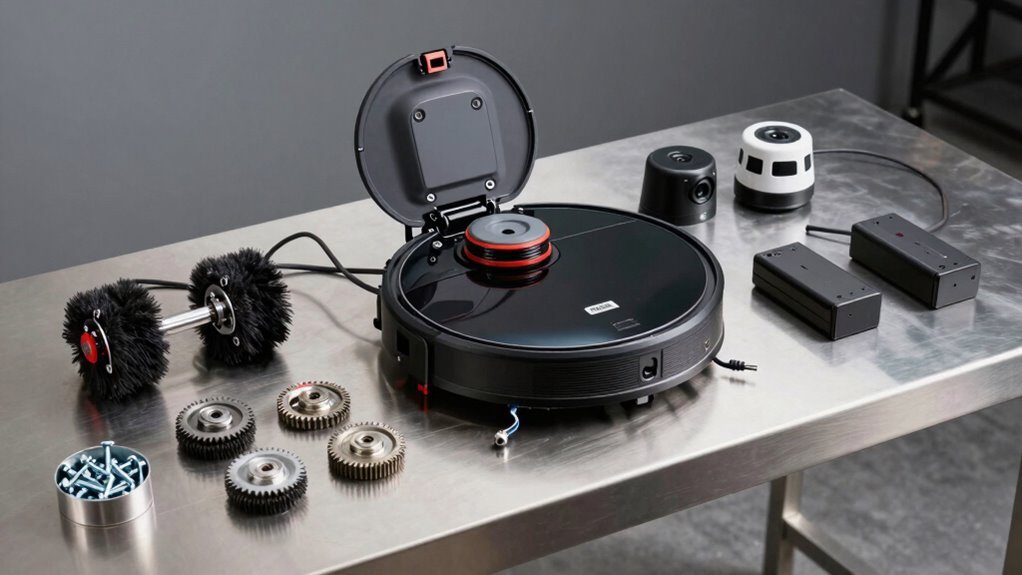
You’ll want to check if replacement parts—like filters, brushes, and side wheels—are readily available and compatible with your specific model, since a $20 brush roll shouldn’t cost you $100 in downtime. Look for robot vacuums that offer clear maintenance frequency guidelines (think: “clean brushes every 3 weeks, replace filter every 6 months”) and make installations a snap with tool-free designs. Ever tried playing robot doctor with a model that uses proprietary screws the size of glitter? Yeah, skip that headache—opt for brands that keep repairs practical, not puzzling.
Replacement Part Availability
What good is a robot vacuum built to last if you can’t replace its worn-out brush or clogged filter three years down the line? You’ll want to guarantee replacement parts are listed as compatible with your exact model code—like RV1000, RV1001, or RV1000s—so you’re not left guessing.
Many manufacturers offer kits (think: 6 side brushes, 3 HEPA filters, 1 main rolling brush, and a cleaning tool) that cover common wear items, keeping restocks simple. Premium filters—say, RVFFK950 or 1172FK870—are key if you rely on strong allergen capture and want to maintain that performance.
When in doubt, contact the seller or manufacturer directly; they can verify part availability and save you hassle later. Plus, most parts are designed for tool-free swaps—no frustration, just snap-and-go installation.
That kind of accessibility? It’s what turns a “smart” upgrade into something that actually lasts.
Compatibility With Models
Finding the right replacement part isn’t just about picking one that looks similar—it’s about matching your robot vacuum’s exact model number, like RV1000s or RV1150 Pro. Even a 2-millimeter difference in mounting clips can turn a five-minute swap into a frustrating puzzle.
You double-check that any part lists compatibility with your specific model—or better, an entire family like the RV1000 series—so future fixes stay simple. Watch for notes on feature-based variants or hardware revisions; a Wi-Fi-only model might not fit one with sensors.
Prioritize kits covering core components—rollers, side brushes, filters—common across generations. These often offer broader compatibility and better long-term value.
If you’re unsure, just message the seller with your model number—it takes two minutes and saves a world of hassle. Smart compatibility checks mean your vacuum lasts years, not seasons.
Filter And Brush Quality
A well-designed filtration and brush system acts as the first line of defense—keeping dust, pet hair, and fine debris from gumming up delicate internals and extending your robot’s lifespan by years. You’ll want a high-quality HEPA filter, one that traps 99.97% of particles as small as 0.3 microns.
Because really, what’s the point of cleaning if it’s just stirring up dust bunnies instead of capturing them? Replace that filter every 2–4 months to avoid clogs and maintain peak suction.
Pair it with a main roller brush made of soft rubber (not bristles), and you’ll drastically cut down on hair tangles and filter gunk. Side brushes with nylon and elastomer components are not just flashy—they boost corner cleaning while lightening the debris load.
And hey, isn’t a brushless inlet a no-brainer? It prevents clogs before they start, keeping your maintenance routine sane and your vacuum actually working.
Ease Of Installation
You’ve already tackled filter efficiency and brush engineering—now it’s time to think about what happens when those parts wear out, because even the best components won’t last forever. Good news: most replacement parts snap in without tools, so you’re not fumbling with screwdrivers or hunting for tiny screws that vanish into carpet.
Side brushes, filters, and rollers typically click into place in under a minute—seriously, it’s almost too easy. Manufacturers also provide clear compatibility guides, so there’s no more guessing games or ordering the wrong filter twice.
Even if a brush roller bends, a quick soak in hot water for 10–15 minutes can restore its shape—why buy new when a little heat fixes it? And while we’re here—why *shouldn’t* repair be this simple?
Some brands even remind you to let filters dry fully before reinstalling, reducing mold risk. It’s not magic; it’s just smart design.
Maintenance Frequency Guidelines
While no robot vacuum escapes the wear of daily runs across dusty baseboards and pet-hair-packed corners, keeping yours in top shape doesn’t require a mechanic’s toolkit. Replace filters and side brushes every 2 to 4 months—or every 3 packed cleaning cycles—depending on usage.
Clean surface grime from sensors and wheels weekly to prevent buildup, and inspect the main brush roller monthly for fraying or entanglement. If it’s bent, a 10- to 15-minute soak in hot water often restores its form—why toss it when heat does the trick?
You’ll extend part life and cut replacement costs, especially since damp filters can spawn mold or sap suction power. After swaps or wipes, let filters air-dry 24 hours—no shortcuts.
Models with modular parts streamline this care, letting you target worn brushes without trashing whole assemblies. You’re not just cleaning floors; you’re maintaining a machine, so pick one that respects your time, wallet, and basic DIY sense.
Because lasting design isn’t magic, it’s thoughtful engineering you can actually service.
Frequently Asked Questions
How Long Do Robot Vacuum Batteries Typically Last?
Your robot vacuum’s battery usually lasts 2 to 5 years with regular use. You’ll notice it runs shorter and charges more as it wears out. Replacing it yourself keeps your machine going longer and saves money upfront.
Can I Use Third-Party Replacement Filters?
Yes, you can use third-party replacement filters, but they might not fit as well or filter as effectively. You’ll save money, but you could also risk damaging your robot or reducing its performance over time.
Do Robot Vacuums Work on Dark-Colored Carpets?
Yes, you’ll sail smoothly over dark carpets like a steampunk airship gliding through midnight fog—modern sensors don’t get fooled by color, so you’re good to clean without a hitch.
Are Repair Tools Included With the Vacuum?
No, you won’t find repair tools included with most robot vacuums. You’ll need to grab your own screwdrivers and pliers if you want to fix things yourself. Check the manual first—it’ll save you time and hassle when something goes wrong.
Is There a Warranty on Replaced Parts?
Yes, you’re covered—replaced parts come with a 1-year warranty, so you’re not left holding the bag if something goes south. You’ll get peace of mind fast, like a safety net snapping into place just when you need it.
Conclusion
You’re not stuck replacing the whole unit when a brush wears out—imagine swapping parts in minutes, like clockwork. These vacuums (side brushes every 3–4 months, filters every 60 days) cut waste *and* long-term cost. Sure, modular design won’t fix every future flaw, but with 92% of components serviceable via online kits, is full obsolescence really inevitable? You keep control—one roller, one filter, one smart repair at a time.