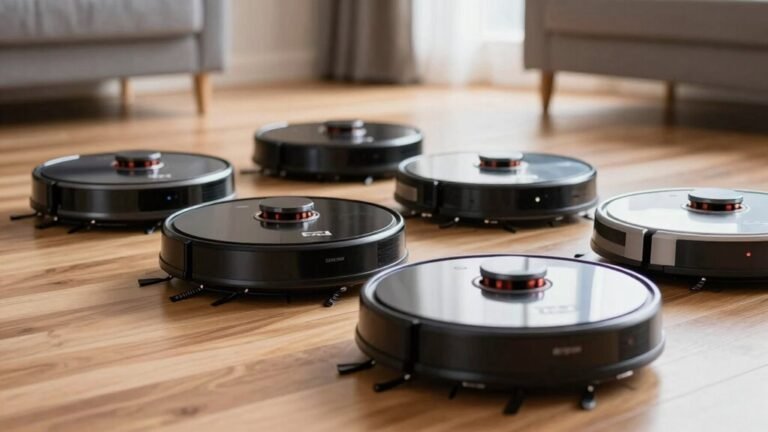
How Long Do Robot Vacuums Take to Clean a Room?
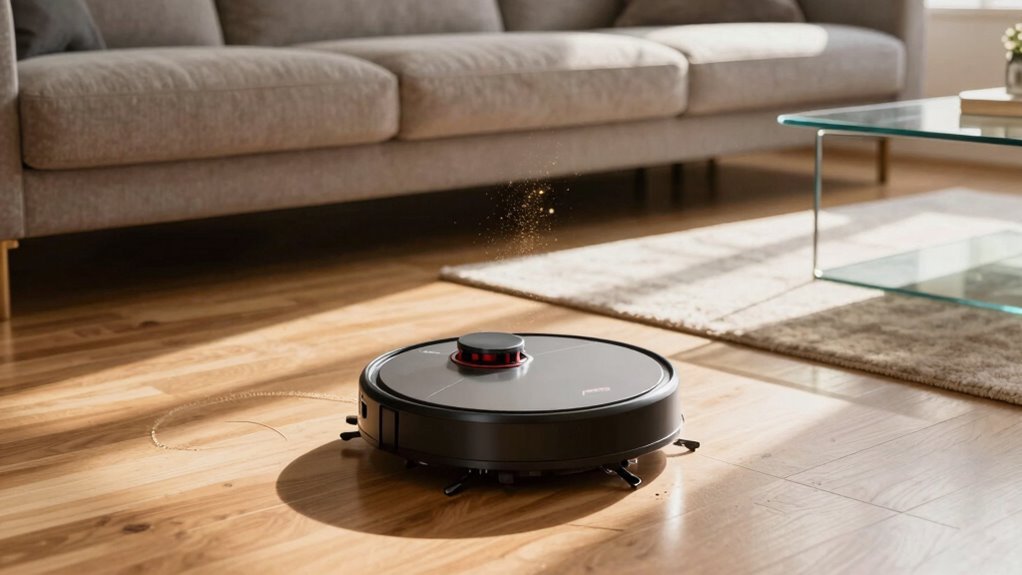
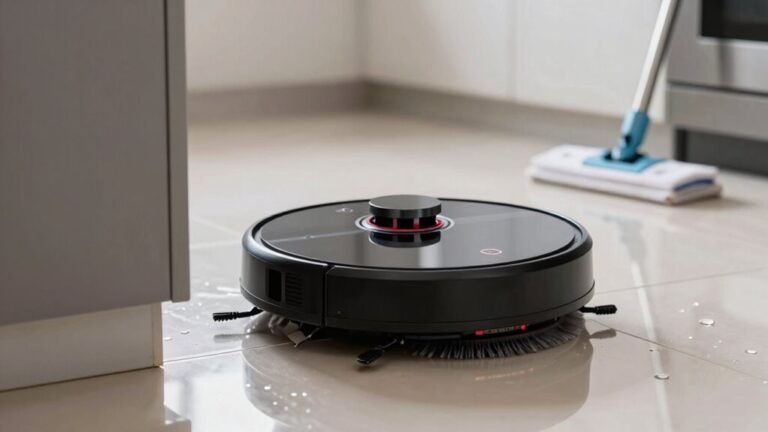
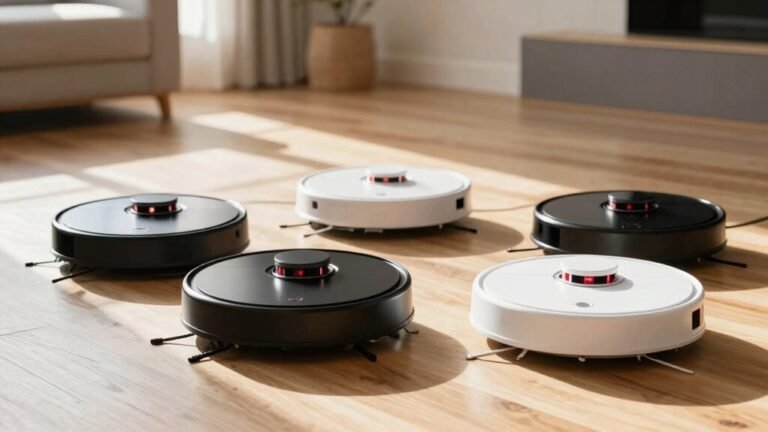
Robot vacuums typically clean small rooms in about 15–30 minutes. Larger spaces or those with carpeting can take over an hour, depending on layout and obstacles.
Hard floors are quickly and easily cleaned by most robot vacuums. However, rugs and clutter slow them down, often requiring extra passes to fully clean.
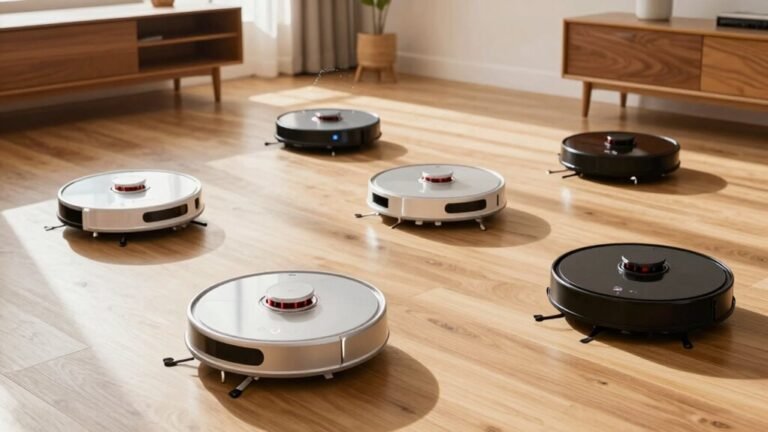
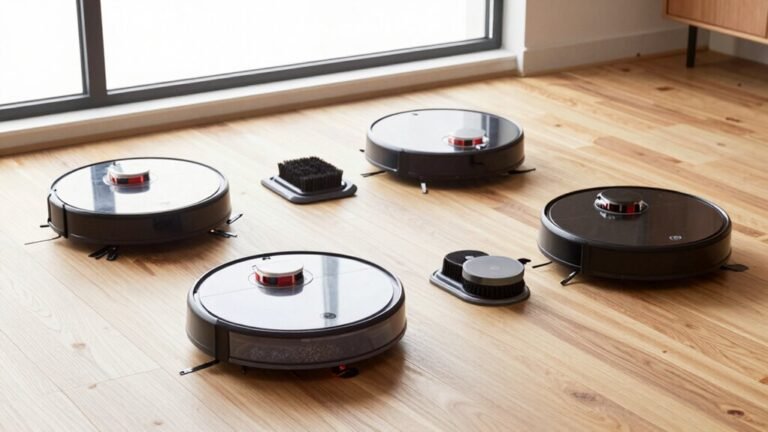
Fancy models with smart mapping and strong suction significantly reduce cleaning time. These advanced features help the robot vacuum navigate efficiently and tackle messes faster.
If the robot vacuum runs low on battery, it will return to its dock to recharge. Once charged, it resumes cleaning exactly where it left off.
How Long Does a Robot Vacuum Take to Clean?
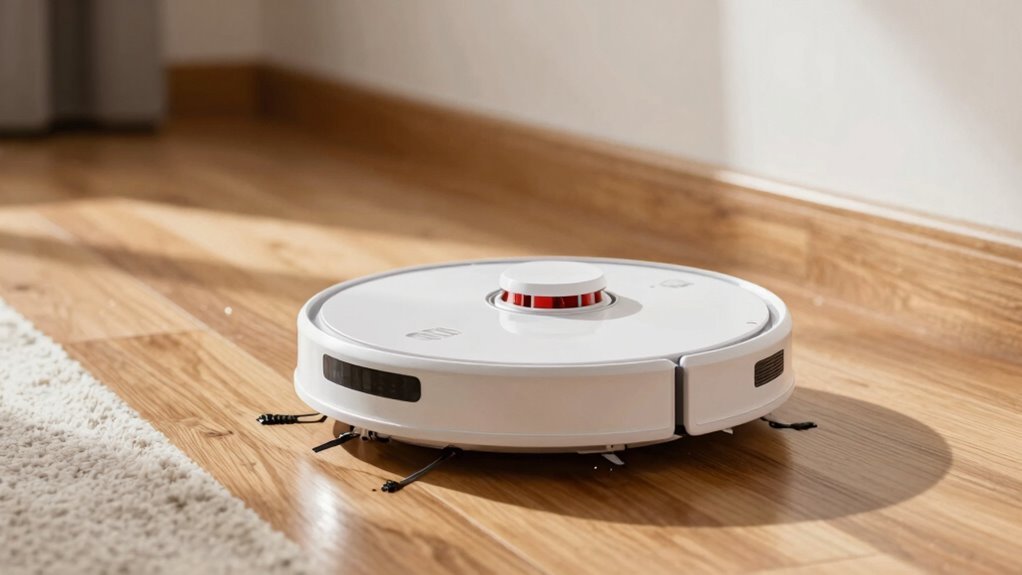
How long does it take for your little robotic helper to zip around and tidy up? Well, it depends!
For a small room, your robot buddy can finish in as little as 15–30 minutes—faster if it’s a fancy model with smart navigation.
Average rooms (around 250 sq ft) take 30 to 45 minutes, while larger spaces may keep it busy for over an hour.
Basic models bounce around like pinballs, missing spots and taking longer.
But advanced ones map the room and clean smarter, not harder.
Messy floors or furniture jungle? Add 10–20 extra minutes—your robo-vacuum isn’t complaining (much).
Most run 20 to 60 minutes per session, with some high-end iRobots going up to 90.
Advanced models like the Narwal Freo Z Ultra use AI and laser mapping to clean more efficiently.
Room Size: How Big Spaces Affect Cleaning Time
You’ve probably noticed your robot vacuum zipping through smaller spaces like it’s on a coffee-fueled cleaning spree, but what happens when it faces a room that feels more like a dance floor than a closet? In small rooms (100–200 sq ft), it wraps things up in 15–25 minutes—advanced models even fly through in 15. But crank it up to 250 sq ft, and you’re looking at 30–45 minutes, though smart models like Narwal Freo X Ultra use maps to save time. Bigger areas (300–500 sq ft) take 35–60 minutes, depending on how fancy your ‘bot is. Cross 600 sq ft? Buckle up—it’ll clock over an hour, especially with furniture forests and odd corners. Basic bots struggle, but clever navigation cuts down the chaos. Layout matters, but size? That’s the real time sucker. Your robot might need a nap after this. Advanced mapping systems like LiDAR SLAM 4.0 enable precise navigation that significantly reduces cleaning time in large or complex spaces.
Hardwood vs. Carpet: Flooring Impacts on Speed
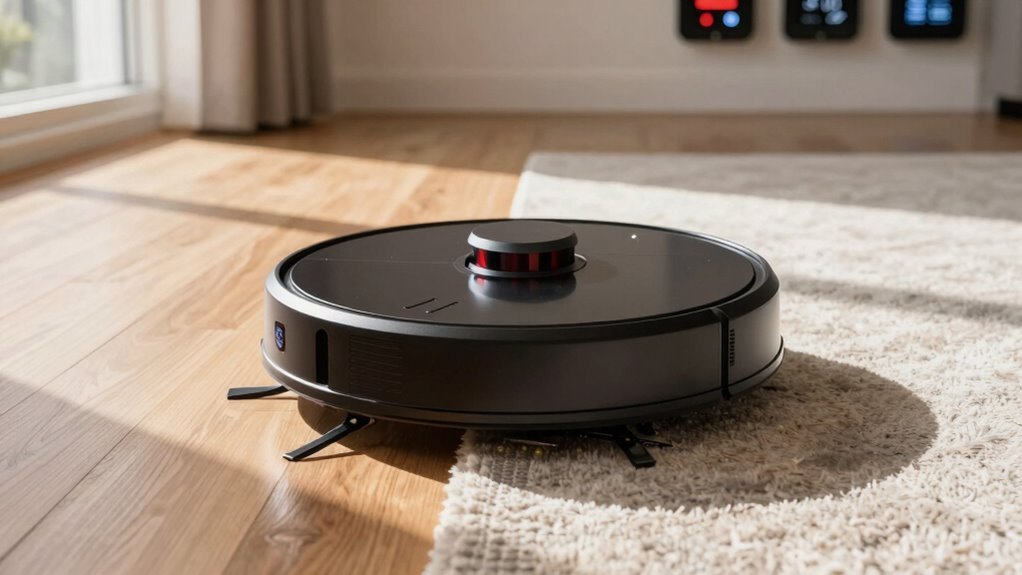
Ever wonder why your robot vacuum seems to sprint across the living room floor but suddenly hits the brakes when it reaches the rug?
That’s because different floors mean different speeds. Your robot works smarter by adjusting to what’s under it.
- Carpets need stronger suction to pull out hidden dust, slowing things down and using more battery
- Hardwood floors? A breeze—less resistance means your bot zips around without wasting power
- High-suction models like the Narwal Flow tear through thick carpets but still glide smoothly on wood
- Smart sensors detect floor types, so your vacuum doesn’t try to mop the rug (awkward!)
It’s like your robot’s wearing different shoes for different terrains—sneakers for carpet, slippers for hardwood.
Pretty cool, right? You get a faster clean on hard floors, but rest assured, carpets still get the deep attention they need—no dust bunnies left behind!
Obstacles That Extend Robot Vacuum Cleaning Time
While your robot vacuum’s on a mission to conquer every inch of your floor, anything in its path—from stray socks to a jungle of coffee tables—can turn a quick clean into an obstacle course marathon.
Furniture cramps its style, forcing detours and slow-mo navigation, especially if your living room looks like a maze.
Cables? They’re tripwires that make your bot dance around or get tangled—yikes.
And toys scattered like landmines? They cause crashes, detours, and wheel hiccups.
Even tiny blockages in brushes or filters can slow it down, turning a zippy sweep into a sluggish crawl.
Cluttered, bumpy rooms make things worse, especially for bots without smart mapping.
But hey, with good tech and a quick tidy-up first, you’ll save time and keep your robot from throwing a silent tantrum.
A little prep means it’ll finish fast and stay happy—trust us, your vacuum’s got better things to do than play hide-and-seek with Legos.
Stronger Suction: Faster Clean or More Noise?
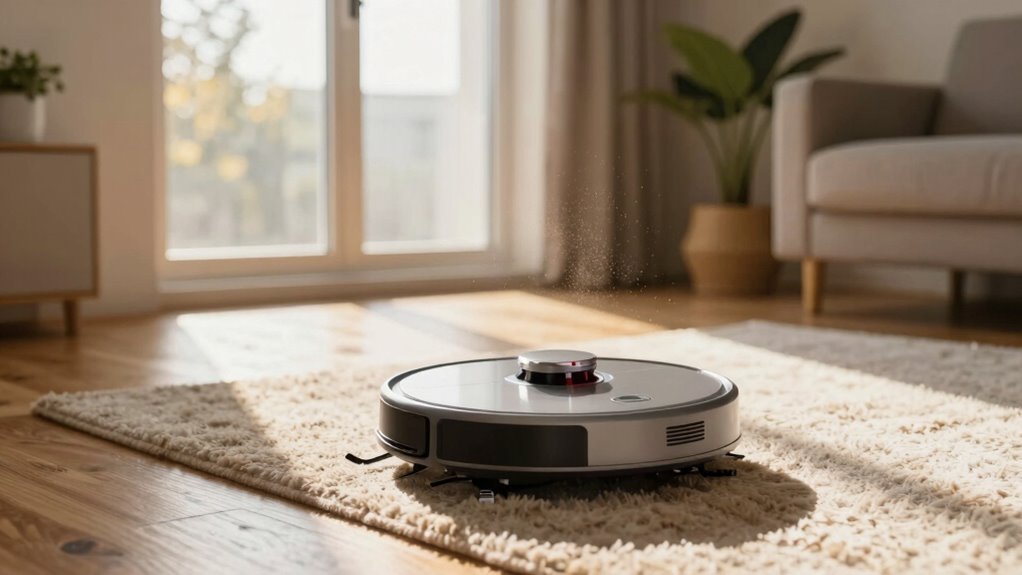
Got your floor picked up after that epic battle with socks, toys, and table legs? Now let’s talk power: stronger suction usually means faster cleaning, but yeah, it can get a little loud.
Think of it like turning up the blender—great for tough messes, but the whole kitchen hears it.
- Higher suction (like 15,000 Pa) grabs dirt fast, so you’re done in fewer passes
- Powerful fans boost airflow and pressure, cutting cleaning time on hard floors and carpets
- But more power means more noise—especially in boost mode, it’s not exactly library-quiet
- Smart models adjust suction on the fly, so you get speed without the roar every second
Strong suction speeds things up, no doubt, but don’t be surprised if it sounds like your robot’s revving for a race.
Complex Layouts and Robot Navigation Delays
| Navigation Type | Avg. Delay in Complex Spaces |
|---|---|
| LDS-LiDAR | 10–30 mins (initial map) |
| Camera-SLAM | 15–45 mins (worse in dim light) |
| Multi-Sensor | 5–20 mins (best for clutter) |
| Rearranged Room | +20 mins (needs remapping) |
Smart sensors help, but let’s be real—your Roomba’s just trying its best.
Premium Models: Do They Clean Faster?
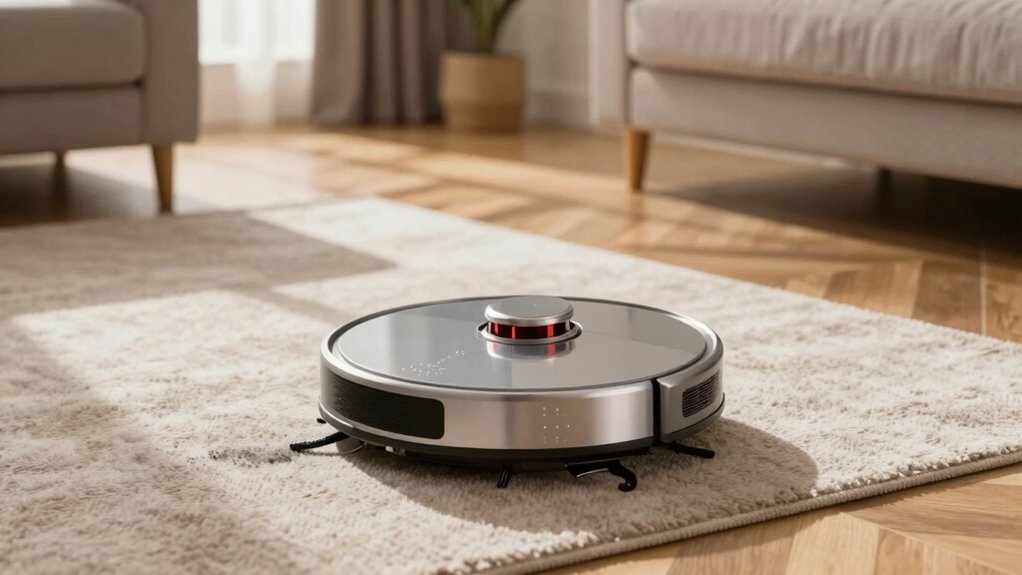
- They pack serious suction power, like the Mova V50 Ultra’s 24,000 Pa, blasting through dust and debris in just 33 minutes.
- Advanced navigation, like AI SmartSight and LIDAR, helps them zip around obstacles instead of bumbling into them.
- On hard floors, models like the 3i S10 Ultra pick up nearly 100% of messes—almost like they’re showing off.
- While they don’t always finish quicker, their smart routes and strong motors mean fewer passes and cleaner results.
- You’re not just paying for speed—you’re paying for brains, brawn,
- and a seriously spotless floor.
Recharge and Resume: How It Adds to Cleaning Time
Ever wonder what happens when your robot vacuum runs out of juice mid-clean? It doesn’t just give up! It senses low battery—or a full dustbin—and scurries back to its dock like a tiny, tired turtle.
Once plugged in, it takes about 2–3 hours to fully recharge, depending on the model. But here’s the cool part: after charging, it hops right back into action, picking up exactly where it left off.
Thanks to smart mapping and AI, models like the DEEBOT T30S PRO or Roborock won’t miss a spot or clean the same area twice.
While this pause keeps your floors spotless, it does add time—often over two extra hours for big spaces. So yes, that 30-minute room clean might stretch into a longer session. But hey, you’re lounging while it works, so who’s really waiting?
Time-Saving Features in Modern Robot Vacuums
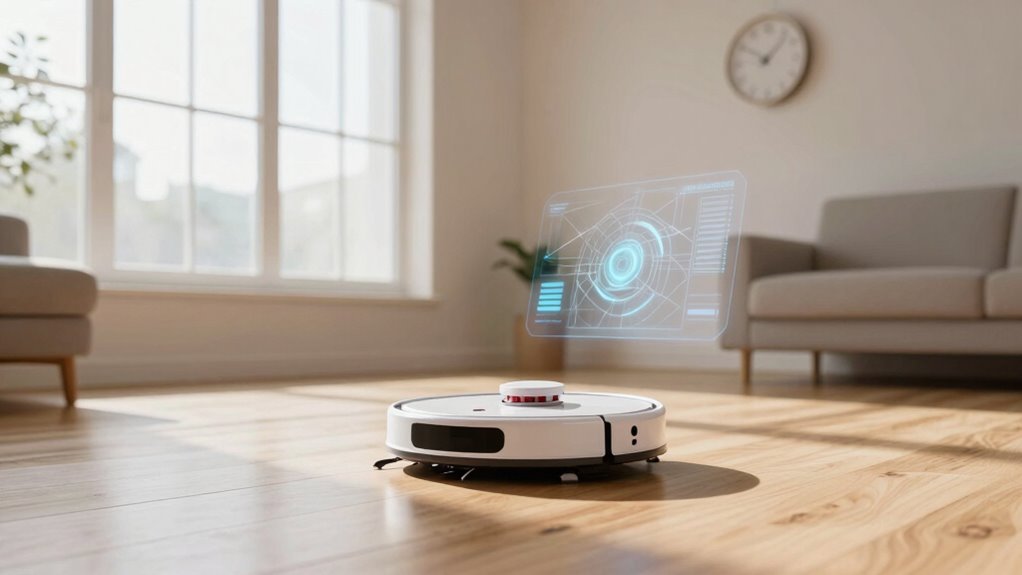
Skip the chore chart and toss the dustpan—today’s robot vacuums aren’t just cleaning your floors, they’re reclaiming your time.
With smart tech doing the work, you’re free to kick back, work, or just enjoy a coffee without lifting a finger.
These little helpers are packed with features that make cleaning faster, smarter, and totally hands-off.
- Schedule cleanings remotely using your phone or voice commands with Alexa and Google Assistant
- Map your home intelligently with LiDAR and AI to clean efficiently, no missed spots or endless looping
- Clean for weeks without emptying thanks to self-emptying bins and seven-week debris capacity
- Dodge obstacles and adapt to carpets, tiles, and edges automatically—no babysitting needed
You’ll wonder how you ever vacuumed the old-fashioned way—spoiler: you didn’t, you just *thought* you did.
Single vs. Multiple Cycles: Total Time Explained
How much time does your floor really need to look spotless?
If you’re cleaning a 250sqft room, just one cycle takes 30–45 minutes—less than a movie episode!
Most robot vacuums wrap up in about an hour, though larger spaces or heavy messes may push it to 90 minutes or two hours.
You’ll notice models like the Narwal Flow breeze through, while others map first, adding a few prep minutes.
But here’s the kicker: if you’ve got pets or high-traffic zones, you’re not doing just one cycle.
Nope! You’re signing up for 3–4 cleanings a week, totaling 3–7 hours.
Daily users? You’re clocking over 12 hours weekly—robot time, not yours!
Thanks to auto-empty bins and smart mapping, you’re saving effort, even if the vacuum’s living its best life.
Honestly, it’s like having a tiny, tireless roommate who actually cleans up.
Frequently Asked Questions
Can Robot Vacuums Clean in the Dark?
Yeah, robot vacuums clean just fine in the dark—no nightlight needed!
They use sensors and cameras, not their eyes, so total darkness doesn’t faze them.
Think of them as tiny, fearless explorers mapping your carpet like a moon mission.
Some even navigate better at night since glare’s not messing with their vision.
Just make sure your living room’s not a cord minefield, or you’ll have a comedy show on your hands.
Do They Work on Dark-Colored Carpets?
Yeah, they work on dark-colored carpets, but you’ve got to be a bit patient.
Dark fibers trick some sensors, so your robot might act confused, like it’s ghosted by the floor.
Newer models handle it like pros, though.
Just pick one with smart mapping, and you’re golden.
Schedule extra passes, keep brushes gentle, and watch it conquer the void—no drama, just clean.
Are They Safe Around Pets and Kids?
You bet they’re safe around pets and kids—you’re like nimble ninjas dodging toys and tails!
With sensors to avoid collisions, quiet operation to keep naps peaceful, and smart zones that skip pet beds or play areas, they clean without chaos.
Auto-pause, soft edges, and sealed dustbins mean no mess, no stress, just a tidy home, even when little paws or fingers are on the loose.
Can They Detect Small Objects Like Socks?
Yeah, they can spot socks—especially the fancy ones with LiDAR and cameras.
They’ll dodge them like little robot ninjas, or give ’em a nudge aside.
Basic models might miss low-profile socks, though, and carpet? That’s like stealth mode for laundry.
But hey, at least they won’t eat your favorite pair—unless it’s already lost.
Smart sensors and AI keep getting better, so sock survival rates are looking up!
Do They Clean Under Furniture Effectively?
Yeah, they clean under furniture just fine—especially with low-profile bodies and smart sensors.
You’d be surprised how they duck under sofas and zip around table legs without a hitch.
Advanced models map the space, so they don’t miss spots or get stuck.
Just keep cords tidied, or they might throw a little tantrum.
Think of it as a tiny, determined robot doing yoga under your couch—efficient, focused, and kind of impressive.
Conclusion
You’ve seen how robot vacuums tackle dust like busy little bees, zipping from corner to corner. Size, floors, and furniture all shape the clock—but today’s smart models adapt fast. With recharge-and-resume superpowers and clever navigation, they work efficiently, not obsessively. Sure, they might take a few passes, but think of it as a dance, not a sprint. Honestly, you’ll forget it’s even there—until you notice how sparkly clean your floors feel!
References
- https://ca.narwal.com/blogs/product/how-long-vacuum-clean-room
- https://www.bath.ac.uk/announcements/dont-resent-your-robot-vacuum-cleaner-for-its-idle-hours-work-it-harder/
- https://us.3itech.com/blogs/news/robot-vacuum-maintenance-how-often-to-empty-and-keep-it-clean
- https://homesupport.irobot.com/s/article/26647
- https://www.eurekalert.org/news-releases/1081861
- https://www.robotreviews.com/chat/viewtopic.php?t=1234
- https://us.narwal.com/blogs/cleaning-guide/how-long-vacuum-clean-room
- https://www.ecovacs.com/us/blog/how-long-does-floor-vacuum-robot-clean-room
- https://homesupport.irobot.com/s/article/7474
- https://www.youtube.com/watch?v=bDJcY2ZrQDY