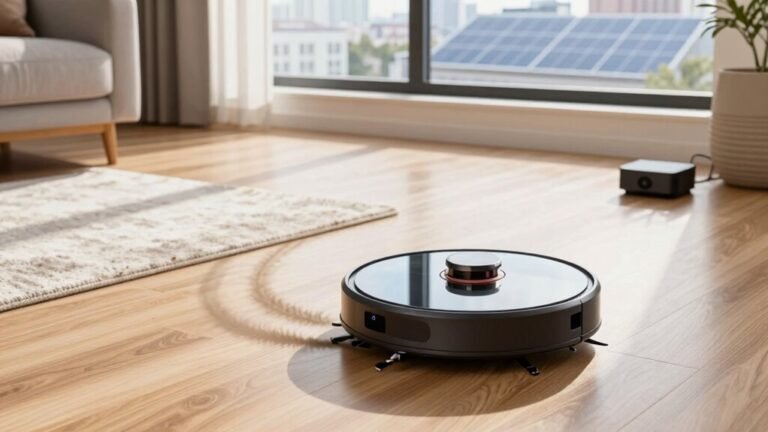
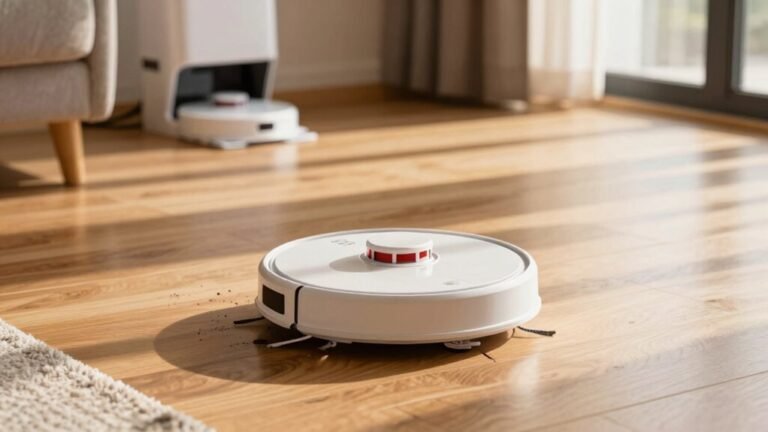
Robot Vacuum Safety: Can It Catch Fire?
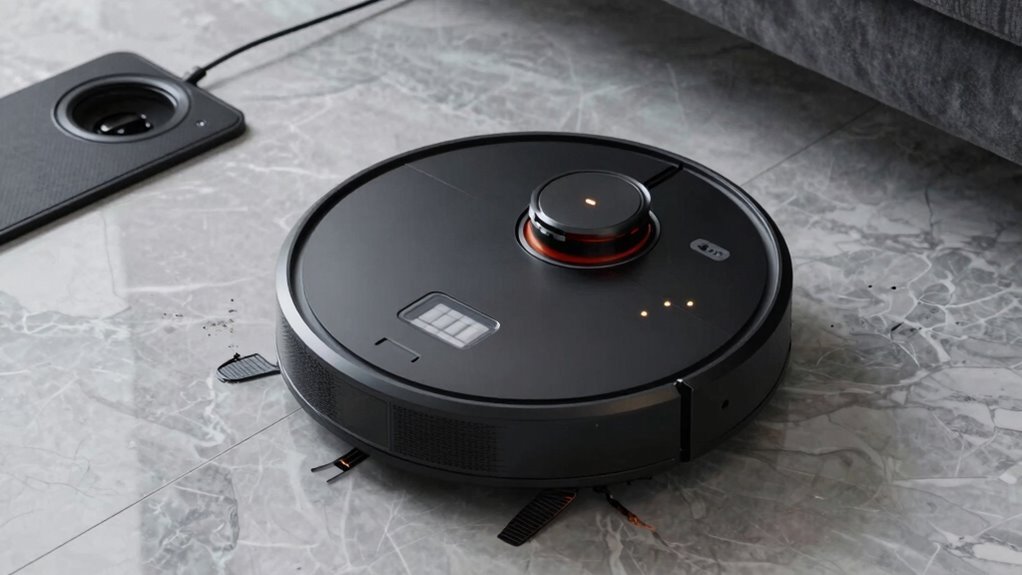
Yeah, your robot vacuum can catch fire, but it’s super rare—like lightning-strike rare. Most issues come from overheating batteries or sketchy chargers, not the vacuum doing its job.
If it smells funny, gets hot to the touch, or acts up during charging, pay attention! Using the right charger, keeping it clean, and plugging into a safe outlet go a long way.
Stick with models that have built-in safety smarts, and you’ll sleep just fine—unless it starts singing show tunes, then we’ve got other problems. Curious what those safety smarts are? There’s more where that came from.
Can Robot Vacuums Catch Fire?
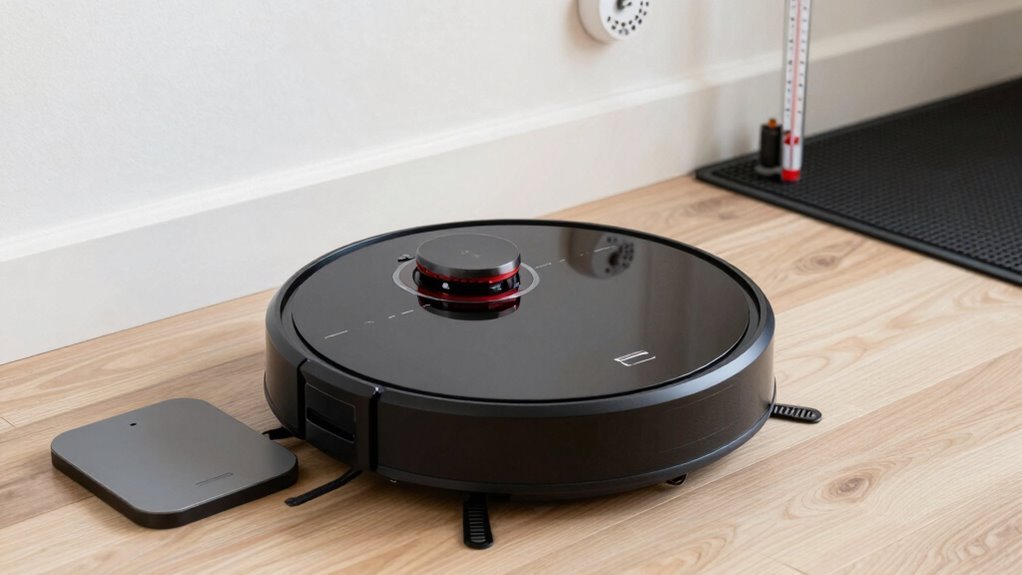
Ever wondered if your robot vacuum could turn into a tiny firestarter? Well, it’s rare, but yeah, it’s happened.
Some Aiper pool vacuums, like the Elite Pro and Seagull Pro, got recalled because they overheated, smoked, or even caught fire while charging.
Imagine charging your robot buddy and coming back to a smoky surprise—yikes!
One person got a small fingertip burn, and a few homes saw damage, including a fire in Kailua linked to a robot vacuum.
No major injuries though, which is a relief.
Most fires tied to these bots come from battery issues or faulty adapters—not your average dust-busting mishap.
While scary, these cases are still uncommon.
Still, you’d never guess your little cleaning helper could throw a spark party, right?
Just something to keep in mind when you let it charge overnight.
Safety first, even with your favorite robo-pal!
The problem has prompted a recall of about 22,000 units in the U.S., involving the GS100 model number.
Why Robot Vacuum Batteries Overheat
When your robot vacuum pushes itself too hard, its battery can heat up faster than a popcorn kernel in a microwave.
You’re making it work nonstop, battling thick carpets or clogged filters, and that high current draw warms the battery fast.
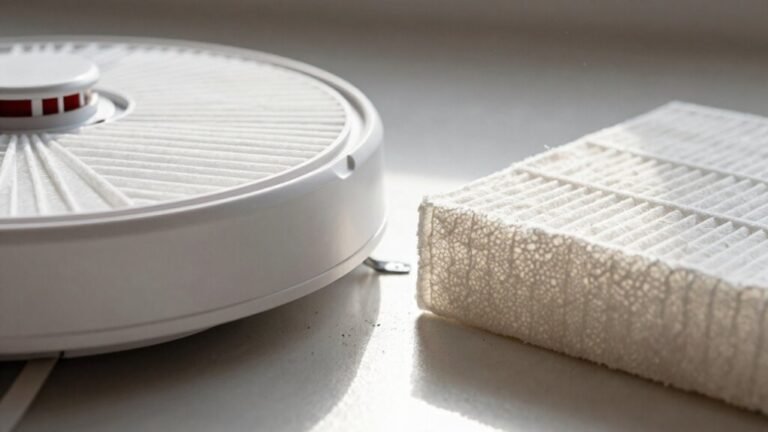
If airflow’s blocked, the motor labors, heat builds, and your little buddy starts running hot.
You’ve probably charged it using fast charging or left it plugged in too long—overcharging stresses the battery and increases overheating risks.
Dirty charging contacts or misalignment with the dock don’t help either, causing energy waste and heat.
Even hot rooms above 40°C speed up wear, while aging inside the battery boosts resistance.
Over time, worn parts, chemical decay, and poor internal cooling make things worse.
If it feels too warm to touch, you’re flirting with trouble—give it a break before things get *too* steamy.
This degradation is linked to chemical changes inside batteries that reduce energy storage and increase heat generation.
Are You Charging Your Robot Vacuum Safely?
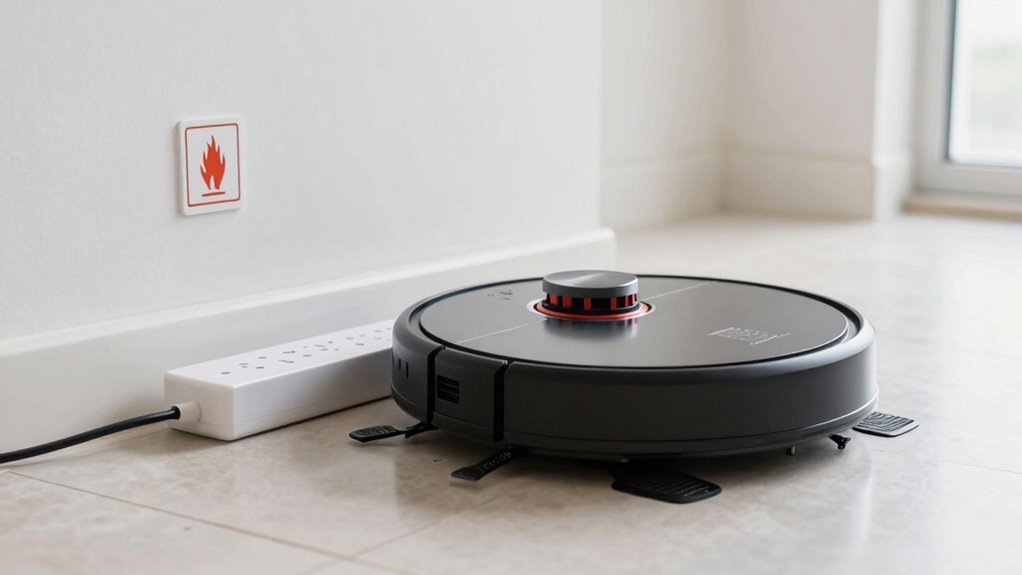
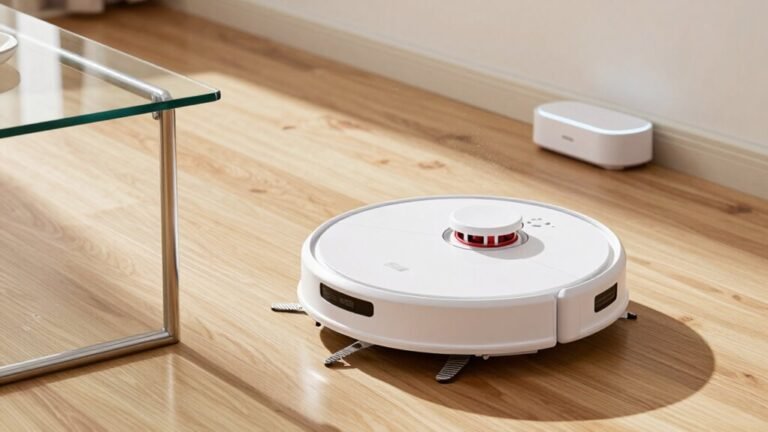
Where’s your robot vacuum charging right now—on a cozy carpet, squeezed behind a curtain, or worse, next to a glass of water? Let’s fix that! For safe charging, placement and habits matter. Follow these key tips to keep things running smoothly—and fire-free.
| Do This | Not That |
|---|---|
| Flat, hard floor with space around | Carpet or cluttered corners |
| Use the original charger | Knock-off or random adapters |
| Plug into RCD-protected outlet | Overloaded or damaged sockets |
Keep the dock clear, use the right charger, and never ignore warning signs. Your robot’s battery will thank you—and so will your smoke alarm. Safety isn’t just smart, it’s super simple when you know how. Stay cool, stay safe, and let your robot do its thing without any drama!
7 Warning Signs of Overheating
Your robot vacuum works hard, so it’s no surprise it heats up a bit—but when things get too toasty, it’s time to pay attention.
Overheating isn’t just a buzzkill; it’s your bot waving a tiny red flag. Watch for these three big clues:
- Hot casing – if the body feels like it’s auditioning for a sauna, airflow’s likely blocked or the bin’s packed to the brim.
- Burning smells – a sharp, acrid odor means something’s stressed inside, like motors or wiring saying “I need a break!”
- Sudden shutdowns – when it powers down mid-clean, it’s not being dramatic; it’s protecting itself from damage.
Don’t ignore these—they’re not just fluke moments.
Clear the filters, empty the bin, and give it space to breathe. Your vacuum isn’t high-maintenance, but a little TLC keeps it cool, calm, and rolling strong.
Key Fire-Safe Features to Look For
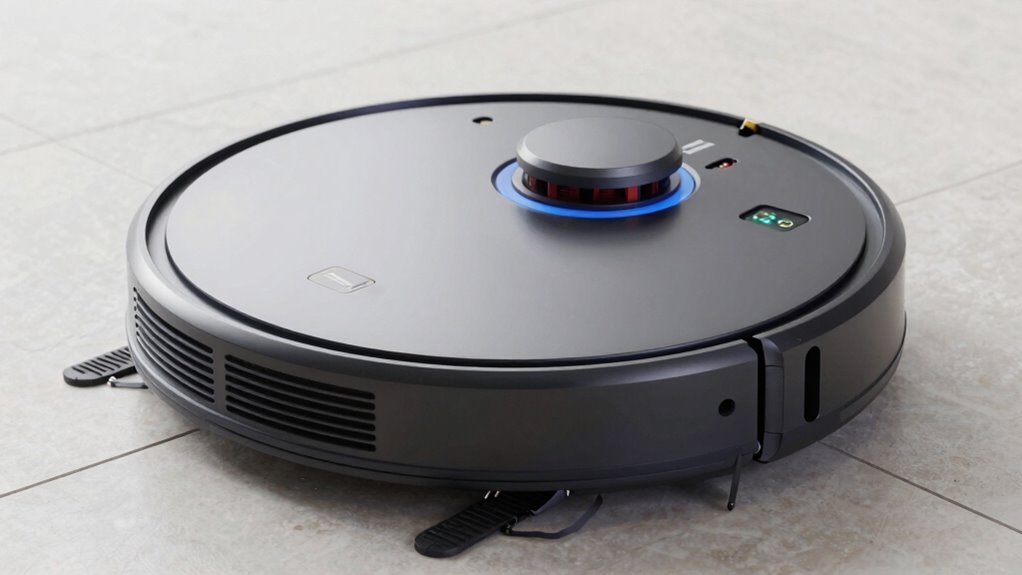
Ever wonder what keeps your robot vacuum from throwing a fiery tantrum? Smart safety features have your back (and your floor)! Look for models that pack serious fire-safe tech—because peace of mind is way better than panic. Here’s what to grab:
| Feature | Why It Matters |
|---|---|
| Battery monitoring | Stops heat buildup before things get *hot and heavy* |
| Automatic shut-off | Calls it quits when things get too intense |
| Certified charger | Keeps power steady—no wild surges |
| RCD-protected plug | Cuts power fast if sparks fly |
| Overheat sensors | Says “nope” before your rug becomes a campfire |
High-end brands like iRobot and Roborock bake these in, so you’re not just cleaning smart—you’re living safely. Pick a bot that’s got its act together, and your home stays cool in every way.
5 Ways to Prevent Robot Vacuum Fires
Keeping your robot vacuum happy and safe starts with how you charge it—treat it right, and it’ll keep your floors spotless without turning into a drama queen. To dodge disaster and keep sparks where they belong (not in your living room), follow these three smart steps:
- Charge it correctly—always use the approved adapter, plug the cord in fully, and never bypass the docking station.
- Keep it dry and cool—store and run your robot in low-humidity spots, because damp isn’t cute when it fries circuits.
- Clean and check regularly—clear debris from brushes, inspect cords, and watch for wear so tiny issues don’t become fiery surprises.
Stay on top of recalls, too—sign up with the brand so you’re never caught off guard. A little care goes a long way in keeping your home safe, clean, and flame-free!
Is Your Robot Vacuum Battery a Fire Risk?
What in the world makes a quiet little robot vacuum go full pyrotechnic?
Well, its lithium-ion battery might be the sneaky culprit.
These powerful little packs pack a punch, but if they’re damaged, overcharged, or made with shoddy materials, things can heat up—fast.
Overcharging or a busted battery management system can spark thermal runaway, turning your helpful cleaner into a mini fire hazard.
Swelling?
Smoke?
That’s your robot screaming for help before flames jet out.
Even debris on the charger or a cheap adapter can push it over the edge.
Sure, fires are rare, but with reports of vacuums melting, sparking, or igniting, it’s smart to stay alert.
A low-quality battery skips safety certs, and boom—your floor buddy becomes a flame thrower.
Keep it clean, charge safely, and treat your robo-helper right—nobody wants an unexpected indoor campfire.
Real Robot Vacuum Fires: What Happened?
You’ve probably imagined your robot vacuum zipping around the house, quietly doing its job—maybe even saving you from weekend chore dread.
But what if it zapped you with flames instead? Yep, real fires have happened, and they’re no joke.
Here’s what went down:
- A RoomieTEC vacuum caught fire in a closet after its battery malfunctioned—still powered on even off the dock, burning a plastic bin and triggering alarms.
- In Missouri, a robotic vacuum exploded mid-charge, sending a family rushing to toss it onto the porch—where it flared up again!
- In New Jersey, a Wybot pool cleaner sparked a deck fire at 2:45 a.m.—unplugged, yet still a tiny torch.
Lithium-ion batteries are the usual suspects, sometimes misbehaving when unattended. While rare, these incidents remind you: that little bot might need a timeout—and a safety check.
Frequently Asked Questions
Can Robot Vacuums Explode During a Fire?
Yeah, robot vacuums can explode during a fire, especially if the lithium-ion battery gets damaged or overheats.
You’ve gotta remember, that little power pack can go boom under extreme heat.
It’s rare, but when it happens, it’s like a tiny fireworks show you don’t want.
Stay safe by charging it properly, and hey—maybe don’t leave it hosting a pool party in the living room.
Do Robot Vacuums Have Fire Detection Sensors?
No, your robot vacuum doesn’t have fire detection sensors—it won’t raise the alarm if things get smoky. It’s got cameras and LIDAR for dodging socks and stairs, not flames. Think of it as a clean-up crew, not a firefighter. Leave the firewatching to the pros (or at least the robots with flame-sniffing UV sensors). But hey, at least it won’t panic during a movie night fire drill!
Are Older Robot Vacuums More Likely to Catch Fire?
Yeah, older robot vacuums are more likely to catch fire—think of them like grumpy, overheated toasters that just can’t let go.
Their batteries degrade over time, heat builds up, and safety features? Not so much.
You’ve got aging circuits, weaker materials, and less tech to stop a spark before it throws a tantrum.
Can Dust Cause Robot Vacuum Batteries to Ignite?
Yeah, dust can absolutely make your robot vacuum’s battery overheat and even ignite.
You see, tiny particles sneak into the battery area, clog cooling vents, and mess with connectors.
That traps heat, and when lithium batteries get too toasty?
Things get spicy—like “popcorn-in-the-microwave” levels of unpredictable.
Keep it clean, buddy, unless you want your robo-vac throwing a fiery tantrum during naptime.
What Should I Do if My Robot Vacuum Smokes?
You see smoke?
Turn it off fast and unplug—no second chances!
Let it chill for at least 30 minutes somewhere cool and breezy.
Don’t even think about restarting yet!
Check the filter, dustbin, and brush roll—gunk buildup’s a party pooper.
Make sure nothing’s stuck and vents are clear.
When you’re back to testing, keep your nose ready—no funny smells, please!
Safety first, smarty!
Conclusion
You’ve got this! Just one in 100,000 robot vacuums ever causes a fire—so yeah, it’s rarer than spotting a unicorn in your driveway. Still, staying smart with charging and watching for warning signs keeps your home safe and clean. With the right habits, your little robo-helper runs smoothly, happily zipping under couches instead of overheating. Stay chill, charge right, and let the bot do the work—safely!
References
- https://www.forthepeople.com/blog/robotic-vacuum-cleaners-recalled-over-burn-and-fire-hazards/
- https://www.cpsc.gov/Recalls/2025/Aiper-Seagull-Pro-Cordless-Robotic-Pool-Vacuum-Cleaners-Recalled-Due-to-Burn-and-Fire-Hazards-Distributed-by-Shenzhen-Aiper-Intelligent-Co
- https://www.poolbots.com/aiper-pool-cleaner-fires
- https://intervacdesign.com/safety-hazards-associated-with-robot-vacuum-cleaners-a-detailed-review/
- https://www.actionnewsjax.com/news/trending/recall-alert-22k-cordless-robotic-pool-vacuum-cleaners-recalled-due-burn-fire-hazards/DE76Z4JY5NGBTCN33UMI7Q6RRA/
- https://www.thearticle.com/profile/fitzroyandrew?s-news-16823225-2025-12-04-concerns-over-fire-risks-from-vacuum-robot-charging-implications-for-home-safety
- https://www.aol.com/news/hfd-says-kailua-home-fire-165400697.html
- https://www.rhybattery.com/news/why-vacuum-cleaner-batteries-need-replacing-regularly.html
- https://www.large-battery.com/blog/lithium-battery-for-robot-vacuum-performance/
- https://www.dreametech.com/blogs/blog/vacuum-overheating