Should You Vacuum or Mop First With a Robot Combo?
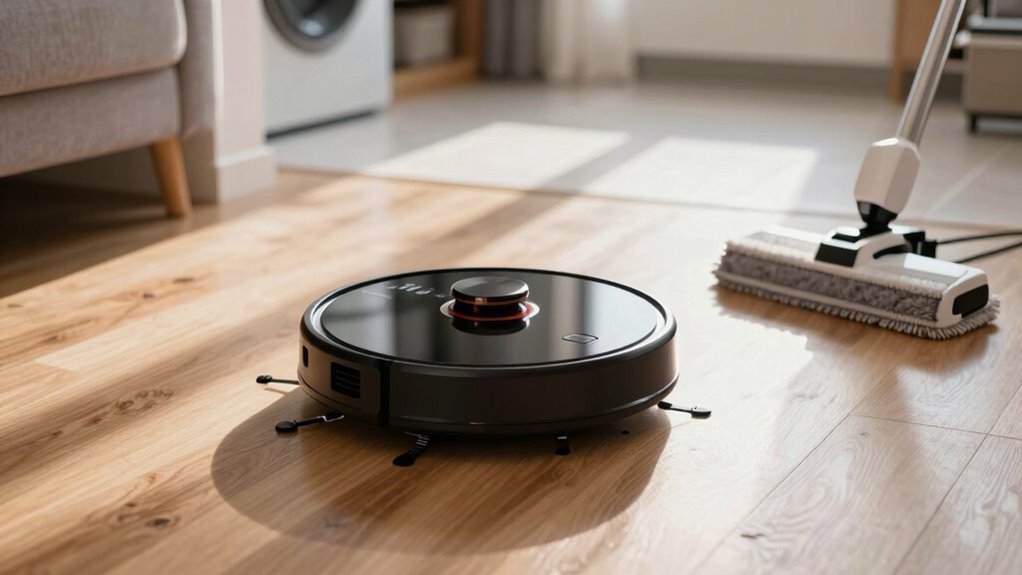
You vacuum first, then mop—this is the key rule for a truly clean floor. Skip this sequence, and you’ll turn loose dirt into a muddy mess that spreads across your floors like modern art no one wanted.
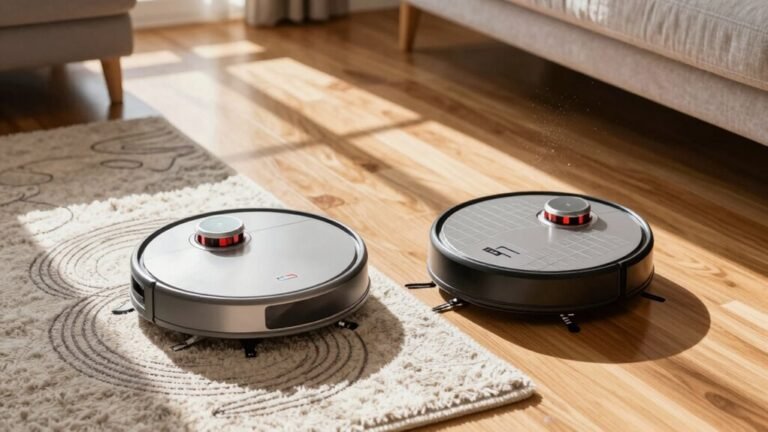
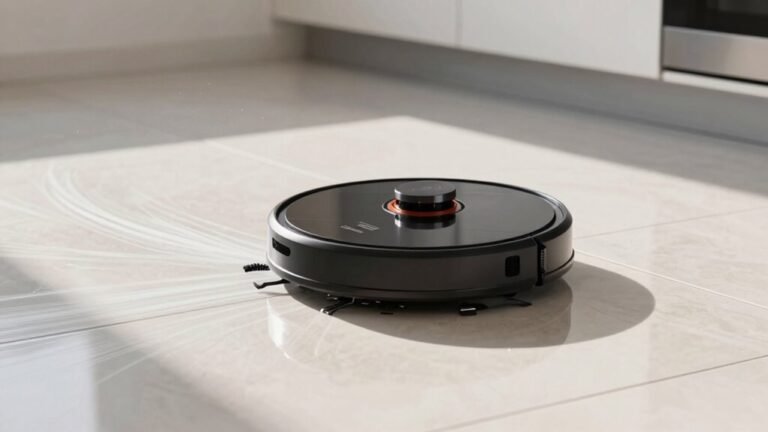
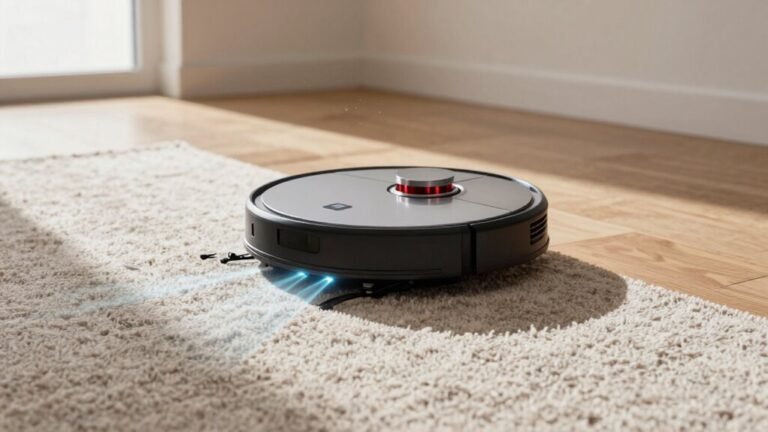
When using a robot combo, the device automatically follows the vacuum-then-mop order. It starts by vacuuming to remove crumbs and debris, ensuring the mop doesn’t smear dirt.
Letting your robot handle both tasks is convenient, but confirm it vacuums first. This keeps mop pads cleaner and floors shinier.
Following the correct sequence prevents the “why-is-my-floor-still-dirty?” frustration. With a robot combo, you get better results by trusting the smart, dust-first approach.
Why You Should Vacuum Before Mopping
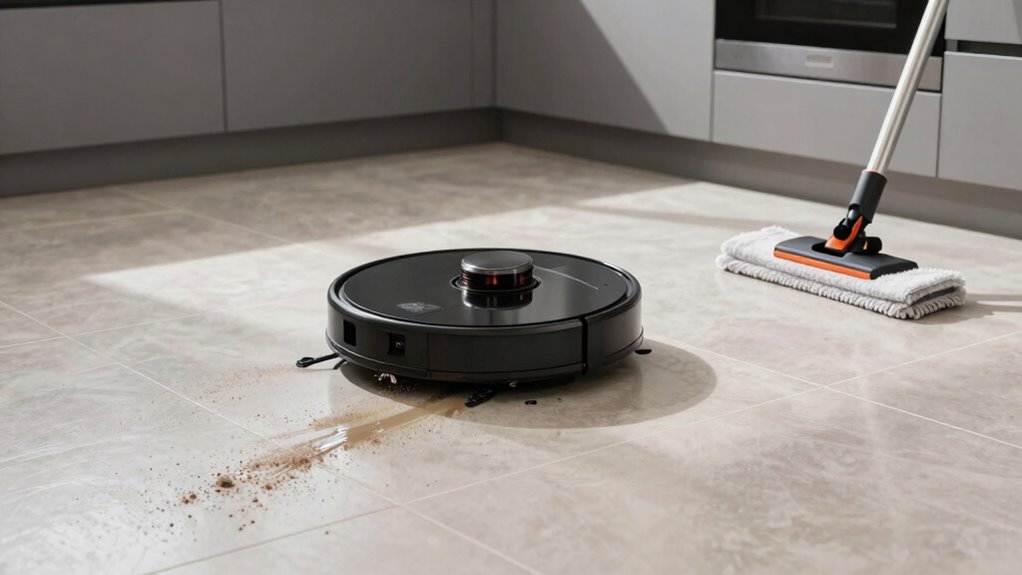
While you might be tempted to skip straight to the mopping, taking a few minutes to vacuum first actually makes the whole process faster—and way more effective.
Vacuuming lifts dirt, pet hair, and grit so your mop won’t smear gunk or grind scratches into floors.
Think of it: dry debris + water = muddy mess. Not cute.
Plus, clean floors stay cleaner longer when you’re not baking dirt into the finish.
Your mop pad stays fresher, needs fewer rinses, and hugs the floor better—no clogged corners or tangled gunk.
And honestly, less scrubbing means more time for coffee, which is always a win.
Most experts recommend vacuuming before mopping to ensure a thorough clean and prevent buildup on hard floors.
Protect your floors, save time, and let your mop do what it’s meant to: shine, not strain.
Trust us—your future self (and your floors) will thank you.
How Robots Automatically Vacuum Before Mopping
You’re about to see your robot turn into a cleaning ninja—smart, strategic, and totally in sync with your floors.
Thanks to clever tech, it always vacuums before mopping, so you don’t have to worry about squishing dirt around.
Here’s how it nails the order:
- Smart mapping lets it plan routes, cleaning the whole floor in vacuum mode first before switching to wet.
- Floor sensors tell carpet from tile, so it vacuums carpets only and saves mopping for hard surfaces.
- Mop placement is behind the suction path, meaning crumbs get sucked up before the pad drags over the spot.
With preset modes like “Vacuum then Mop,” it’s like giving your floors a spa treatment—in the right order.
No puddles on dust bunnies, no weird streaks—just clean, worry-free floors.
Pretty cool for a little robot, right?
The robot’s dual-function integration ensures vacuum and mop systems work in optimal sequence without cross-contamination of debris.
What Happens If You Mop Before Vacuuming?
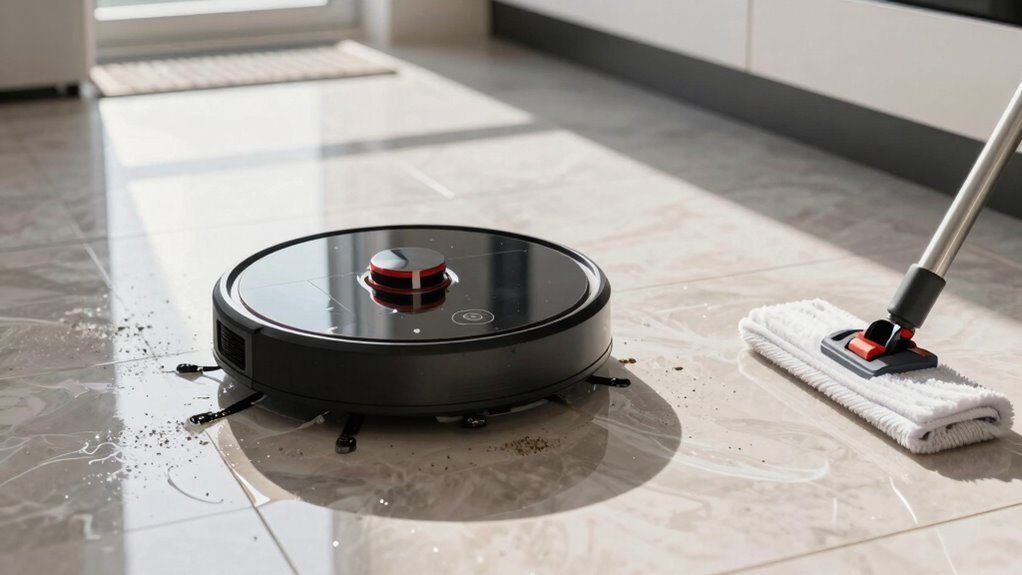
If you skip vacuuming and hit the floor with a mop first, you’re basically inviting dust bunnies to a mud party—welcome to streaky, smeared messes that spread more than they clean.
You’re pushing dirt around in a wet swirl, turning dust and grit into gunk that smeares across tile, wood, or laminate like muddy fingerpaints.
Your robot’s pads soak it all up, then happily drag that sludge into corners and grout lines. Yuck.
You’ll also risk scratching delicate finishes, since wet sandpaper (okay, fine, gritty slurry) isn’t great for your floors’ glow.
Plus, allergens and pet gunk turn into sticky blobs your robot can’t handle.
Dirty pads become bacteria buffets, spreading junk from room to room.
And let’s be real—hardened gunk later means you’re scrubbing by hand, defeating the whole robot-lazy-cleaning dream.
When You Can Skip Vacuuming Before Mopping
Alright, let’s clear the air—mopping without vacuuming first isn’t always a floor faux pas.
If your floors are already clean and you’re dealing with a fresh spill or light dust, you’re good to go.
You can totally skip the vacuum step when:
- You’ve got a recent, small spill on sealed tile or hardwood and you wipe it fast—your robot mop’s got this.
- You’re cleaning a low-traffic room like a guest bedroom that barely sees foot traffic (or any drama).
- Your home stays tidy, you ban shoes, and your robot combo packs strong suction and smart mopping.
No grit? No problem. Mop confidently—just don’t make it a habit in dirty zones.
Your floors will stay shiny, smear-free, and way more fun to walk on. Think of it as a cheat day for cleaning—guilt-free and totally allowed.
Schedule Cleaning So Vacuum Goes First
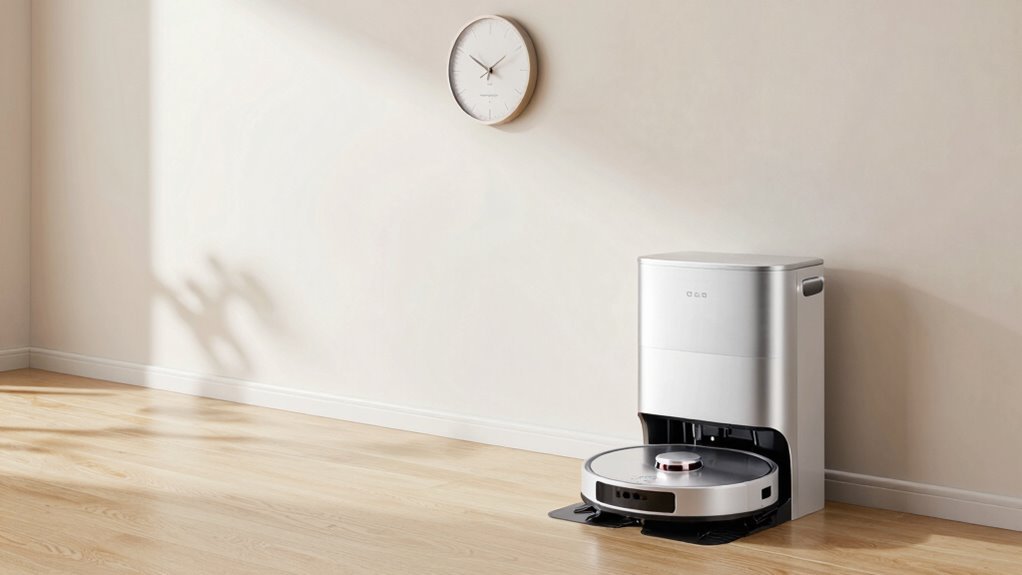
How does your robot know when to vacuum first and mop later?
Simple—you set it in the app!
Most robot combo models let you schedule vacuum-only runs before mopping, so dust doesn’t turn into mud.
You can even tell your robot to vacuum high-traffic zones like the kitchen first, then mop them later—like sending in the cleanup crew in shifts.
Some smart bots lift their mops over carpets automatically, then re-engage on hard floors, keeping rugs dry without lifting a finger (literally).
Schedule a morning vacuum and an afternoon mop, giving dust time to settle and your robot time to recharge.
With adjustable suction and multi-pass modes, your bot tackles crumbs and pet hair like a pro before the mop ever touches the floor.
It’s like having a cleaning choreographer—except it doesn’t need coffee to perform.
Why Mopping Before Vacuuming Causes Mud
When you mop before vacuuming, you’re basically giving dust a one-way ticket to mud city—and nobody invited that mess to the party.
That dry dust? It soaks up water like a sponge, turning into a gunky slurry that sticks to floors and hides in grout lines.
Instead of cleaning, your mop just smears the mess around, leaving streaks and gloopy patches behind.
Yuck.
And on textured or dark floors, it’s even more obvious—hello, muddy disaster.
To keep your floors actually clean, remember:
Keep the Mop Pad Clean to Avoid Re-Spreading Dirt
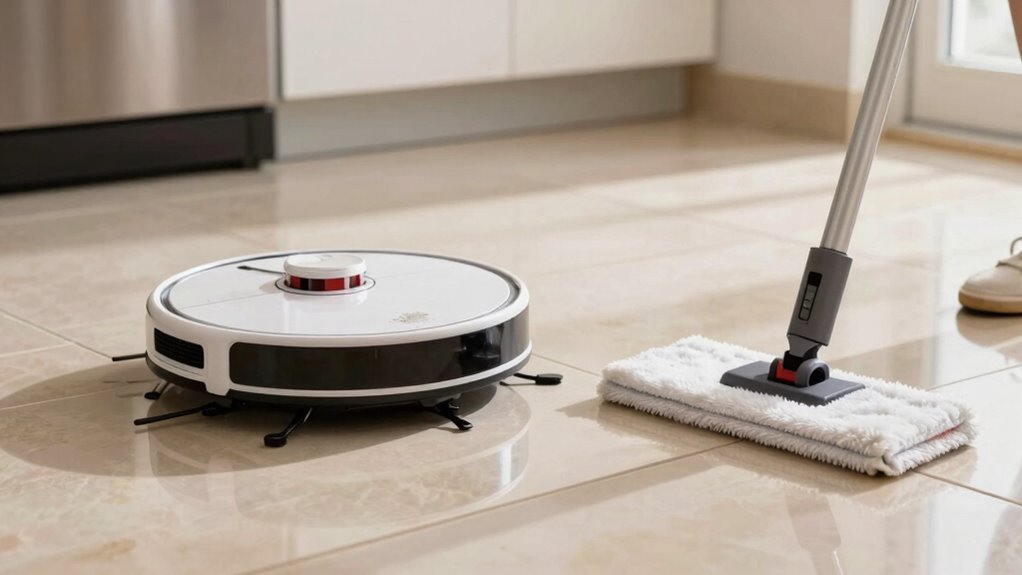
You just dodged a mudslide by vacuuming first—nice move!
But don’t celebrate yet—your mop pad’s about to become a dirt taxi if you’re not careful.
As it glides across the floor, it soaks up gunk and can start re-s spreading it like a grimy paintbrush.
Yuck, right?
That’s why keeping your pad clean matters.
Models with real-time washing or self-cleaning docks are total game-changers—they squeeze out dirty water and refresh the mop on the go.
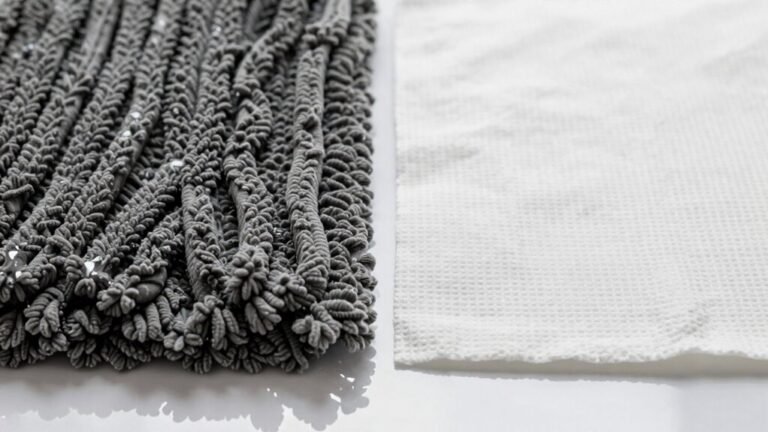
Roller mops especially keep things fresh, unlike flat pads that just smear messes.
Some even lift the mop off carpets to avoid cross-contamination.
Think of it like wearing clean socks after stepping in mud—way better, right?
With automatic washing and drying, your robot won’t just push dirt around.
It’ll actually kick it out for good.
Now that’s smart mopping!
Use Vacuum-Only or Mop-Only Mode the Right Way
Why let your robot fumble through cleaning when you can send it in with a game plan? You’ve got a smart machine—use it like one!
For best results, match the mode to the mess. Here’s how:
- Vacuum-only for carpets, crumbs, and daily upkeep—keep rugs dry and dust gone.
- Mop-only on sealed hard floors to beat sticky spills and light stains without unnecessary suction.
- Use your app to assign rooms the right mode—say, vacuum the bedroom, mop the kitchen.
Think of it like sending the right tool for the job: a mop isn’t a broom, and a vacuum hates soggy socks.
Set zones, schedule smart, and skip the cleanup chaos.
Your robot’s not just working—it’s working *smart*. And honestly, isn’t that the whole point?
Frequently Asked Questions
Can Robot Mops Handle Pet Hair Effectively?
Yeah, robot mops can handle pet hair pretty well, especially if they’ve got strong suction and twin rubber rollers that won’t get tangled.
Just don’t expect magic—daily runs keep fur under control, and liftable mop pads help you vacuum before mopping.
They’re champs on hard floors, though thick carpets still trip them up.
And hey, even bots need a little grooming—just like your pup!
Do Combo Robots Work on Dark Carpets?
Yeah, combo robots can work on dark carpets—but only if you pick the right one.
Basic models might spook at black rugs, thinking they’re cliffs.
But don’t worry, fancy bots with LiDAR or smart cameras laugh at dark floors.
They map rooms like pros, even in the dark.
Go for models like NARWAL or DEEBOT with AIVI tech—they see, plan, and clean without tripping over shadows.
Smart sensors? Total game-changer!
How Often Should I Replace Mop Pads?
You should replace mop pads every 3 to 6 months if you’re cleaning daily, or up to a year for light use—think of them as socks for your robot, and nobody likes grimy, holey socks.
Swap them out when they’re thin, smelly, or leaving streaks.
Wash them after each run, skip the fabric softener, and let them dry fully.
Rotate extras like a pro, and your floors will stay fresh, clean, and dance-floor ready!
Can I Use Vinegar in Robot Mops?
No, you shouldn’t use vinegar in robot mops—it’s risky!
That tangy acid can wreck seals, corrode parts, and void your warranty.
Plus, it might dull floors or leave weird streaks.
Robot mops are picky drinkers—stick to water or the maker’s solution.
Think of it like giving your pet soda instead of water—fun to imagine, but not smart!
Keep it safe, keep it simple, and your robot will thank you with squeaky-clean floors!
Are Robot Vacuums Safe Around Toddlers?
Back in the age of dinosaurs, toddlers roamed freely—just kidding!
But seriously, robot vacuums are generally safe around little ones.
You’ll love how their soft edges and slow speed bump gently, not crash.
They’ll giggle at the whirring toy, sure, but keep an eye out—curious pokes or rides can spell trouble.
Use no-go zones, stash cords safely, and you’re golden.
Peace of mind? Totally within reach.
Conclusion
You’ve got this! Always vacuum before mopping—your robot’s got your back, doing it in one smooth move. Mopping first? Say hello to a mud party on your floor. Trust the process, skip the mess. Keep that mop pad fresh and your floors will shine like a disco ball at a dance-off. Schedule smart, clean hard, and let your robot do the work while you kick back and enjoy the sparkle.
References
- https://www.ecovacs.com/au/blog/should-you-mop-or-vacuum-first
- https://us.narwal.com/blogs/product/advantages-and-disadvantages-of-robot-mop-vacuum
- https://www.ecovacs.com/us/blog/are-robot-vacuum-mop-combos-worth-it
- https://www.dreametech.com/blogs/blog/are-mopping-robot-vacuums-worth-it
- https://techsalesonline.com.au/blogs/articles/smart-mopping-why-you-need-a-robot-vacuum-mop
- https://us.narwal.com/blogs/product/do-vacuum-mop-combo-work
- https://www.youtube.com/watch?v=vHu1nryjAU0
- http://www.thesmarthomehookup.com/ultimate-robot-vacuum-and-mop-comparison-2025/
- https://www.youtube.com/watch?v=TQMN4pk29Bc
- https://www.youtube.com/watch?v=ah4kxLtSiQM