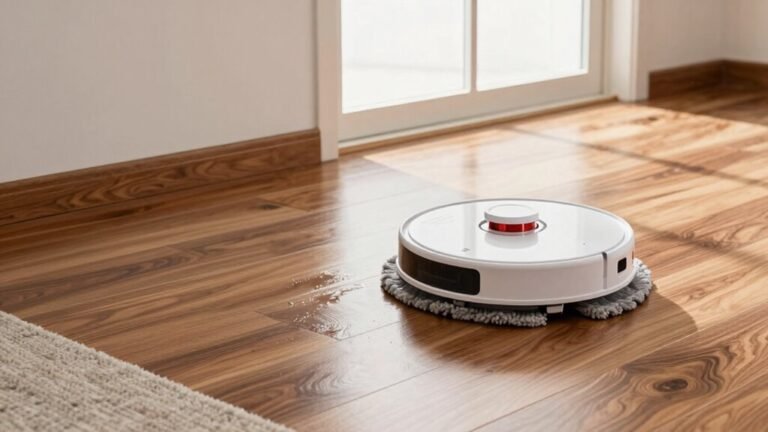
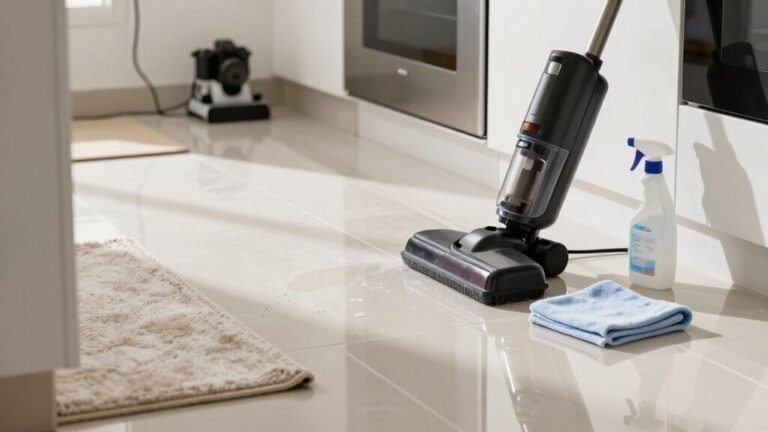
Do I Need to Vacuum Before Using a Robot Mop?
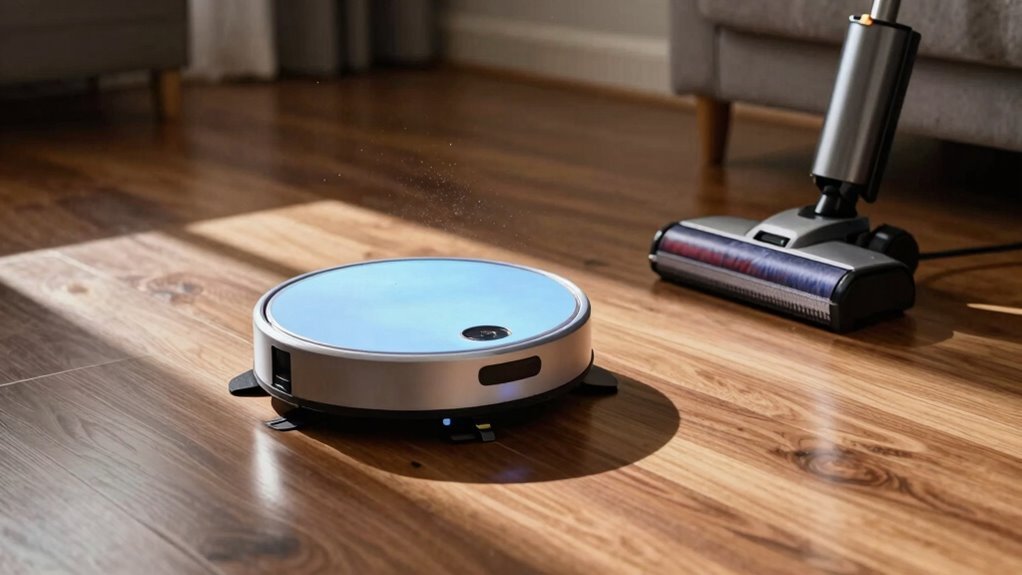
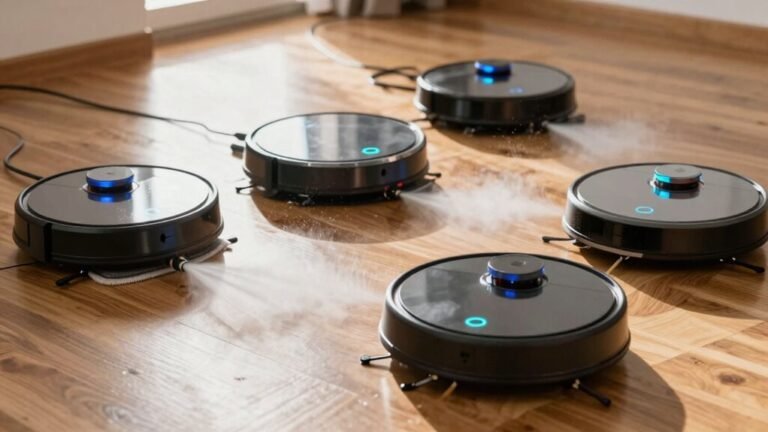
You should vacuum before using a robot mop. If you don’t, you’ll just be spreading dust, hair, and crumbs around like glitter at a robot party.
Mops struggle with dry debris, which can lead to streaks, clogged pads, and a floor that’s still dirty. Vacuuming first clears the stage so your robot mop can actually clean effectively.
Think of it as teamwork—dry cleanup first, then shine time. And if you want the full scoop on keeping floors spotless with less effort, there’s a smarter way to do it all.
Why Vacuuming First Prevents Mopping Problems
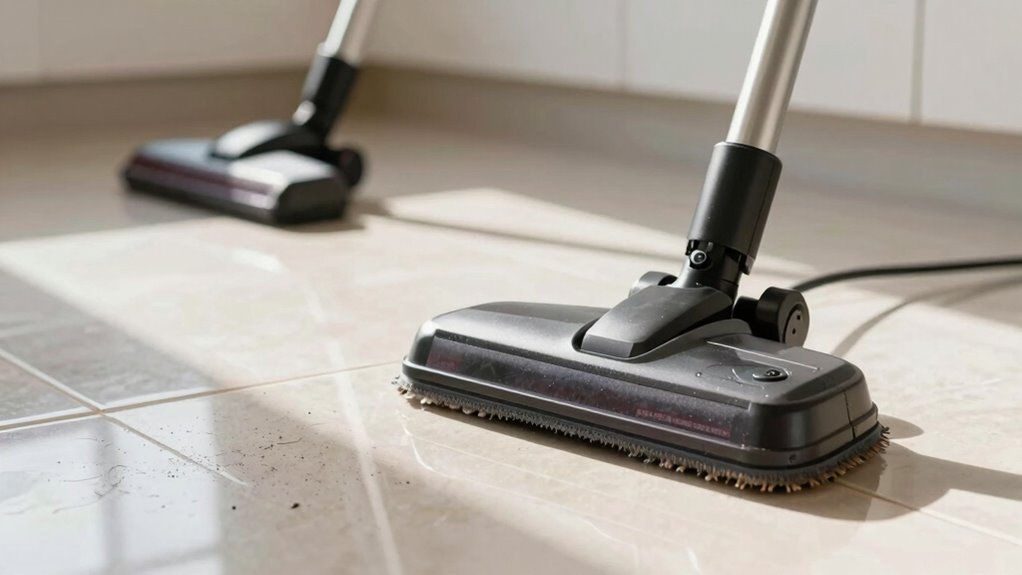
Skipping the vacuum and diving straight into mopping? You’re asking for streaks, smeared gunk, and a floor that looks worse than before.
Trust us, your robot mop isn’t a magic wand—it can’t handle loose dust like a champ.
Without vacuuming first, that grit gets pushed around like a tiny dirt snowplow, leaving ugly lines and residue behind.
Ouch.
And let’s not forget the fun show of hair snarled in the mop pad—yep, you’ll be picking that out by hand.
Big crumbs? They’ll clog the water tank or jam the pump.
Not cool.
Vacuuming first lifts debris where it belongs—out of your floor’s crevices and into the bin.
It saves your machine, saves time, and actually *works*.
Think of it as giving your mop a clean stage to shine.
Do the quick vacuum dance first—your floors (and robot) will thank you.
Most experts agree you should vacuum first to remove dust, hair, and debris before mopping.
How Robot Mops Handle Dirt (And Where They Fall Short)
You’ve cleared the stage by vacuuming first—now let’s see what your robot mop can really do when the lights come on and the cleaning starts.
With suction power up to 15,000 Pa, your bot attacks leftover grit like a tiny cleaning superhero.
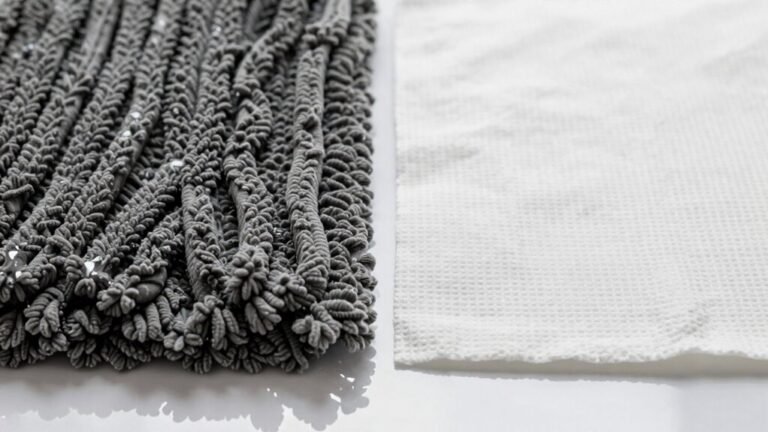
Dual spinning pads or roller mops scrub with 12N of pressure, while 330 RPM action and real-time dirty water pickup keep things fresh.
It auto-lifts over carpets, avoids spills with LiDAR precision, and even uses hot water at 75°C to tackle messes head-on.
AI smarts detect dirt and crank up the power where needed, and 12 spray nozzles ensure every inch gets love.
But let’s be real—no robot’s perfect.
It might miss crumb armies hiding in tight corners or struggle with thick spills if they’re not pre-vacuumed.
Think of it as a fantastic mop—but still needs you to handle the heavy lifting first.
Teamwork makes the dream work!
3L disposable dust bag capacity in models like the DEEBOT X8 PRO OMNI allows for less frequent maintenance and supports efficient debris handling between cleanings.
What Happens If You Skip Vacuuming First
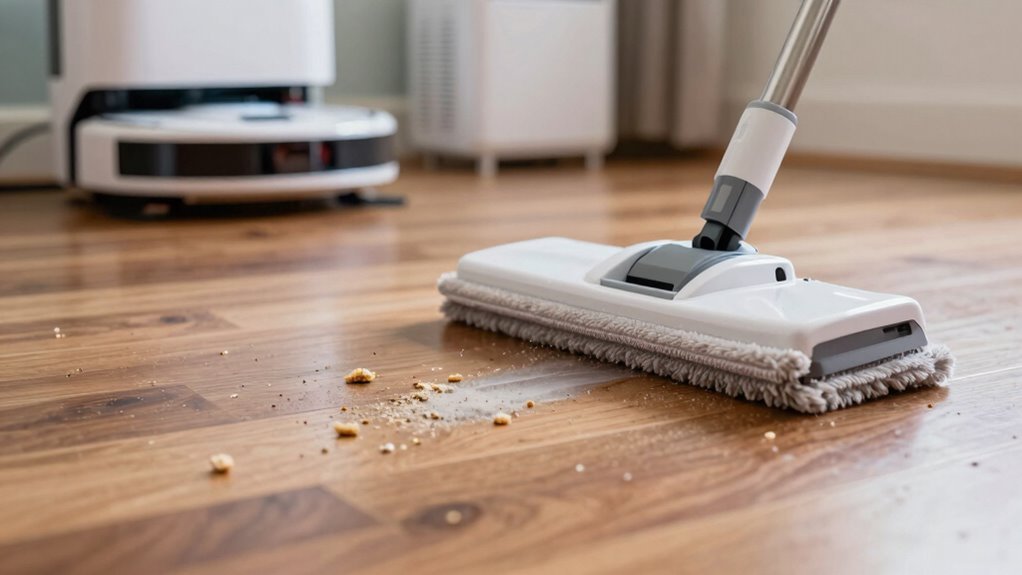
When you send your robot mop out without a pre-clean sprint, it’s like sending a baker into a flour fight—things get messy fast. You’re not just pushing dirt around, you’re giving it a free ride across your floors.
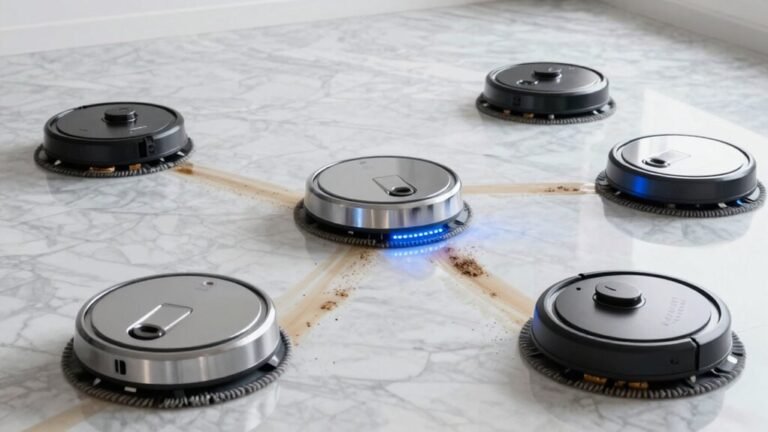
Crumbs and grit get dragged by wet pads, scratching delicate surfaces and leaving streaks like tiny dirt graffiti. Your cleaning solution? It’s basically swimming in debris, making it way less effective.
Those little messes turn into stubborn buildup, and your mop can’t even reach the floor to do its job. Plus, dirt clogs the works, wears out pads faster, and can leave behind allergens and yucky bacteria. You’ll end up cleaning the cleaner more than the floor.
Skipping vacuuming doesn’t just cut corners—it sabotages your robot’s whole mission. Save the drama: vacuum first and let your mop actually shine.
When It’s Safe to Skip Vacuuming
If your floors stay tidy and your home runs clean, you’re in luck—your robot mop can sometimes go rogue without a vacuum sidekick.
When debris is minimal and your space stays fresh, skipping the vacuum step isn’t just safe—it’s a shortcut to sparkling floors with less effort.
You’ve got smart tech on your side, and it’s ready to handle light messes all on its own.
- Low-traffic areas like guest bedrooms hardly collect dust—mop straight through!
- Hardwood or tile with no visible crumbs? Your robot’s dual pads and low water mode have it covered.
- No pets or shedding? Say goodbye to hair tumbleweeds and hello to hands-free mopping.
- Robot with carpet detection and self-cleaning pads? It’ll dodge messes and stay fresh—how handy is that?
Sit back, relax, and let your mop do the magic.
How to Combine Vacuuming and Mopping for Optimal Results
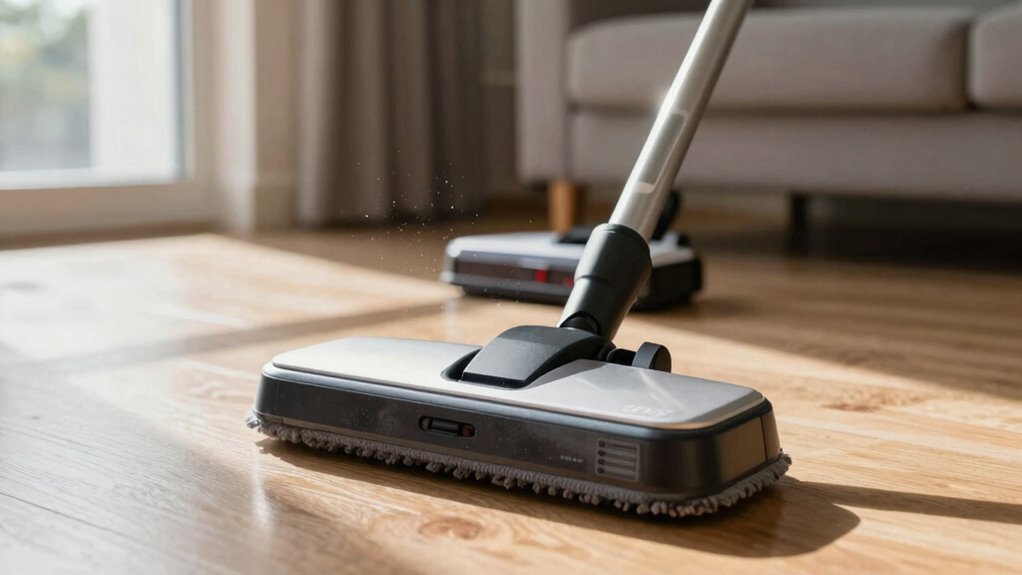
Ever wonder why your floors sometimes still look dull even after mopping? It’s probably because you skipped vacuuming first!
Dry debris like dust, hair, and crumbs just get smeared around when you mop too soon.
But when you vacuum first, you’re setting the stage for a truly clean floor.
Your mop can then focus on sticky spots and fine dust instead of pushing junk from one room to another.
For hard floors like tile or hardwood, this one-two punch is a game-changer—no more streaks or hazy finishes!
Smart robot combos do both for you, vacuuming then mopping with genius mapping, adjustable water flow, and even lifting pads on carpets.
Some models even clean their own mop heads—talk about a dream team!
Just remember: dry first, wet second.
Skip that order, and you’re basically mopping with dirt.
Yep, yuck!
Frequently Asked Questions
Can Robot Mops Clean up Pet Hair Effectively?
Nope, robot mops don’t tackle pet hair well—you’ll need a vac first.
They’re built for spills and crumbs, not fur tumbleweeds.
Most just push hair around like clueless little janitors.
Even high-end hybrids lift their mops on carpets, reducing suction.
For real results, let a proper robot vacuum with strong suction and anti-tangle brushes do the dirty work.
Then, *voilà*—your mop can shine on a fur-free floor!
Do I Need to Empty the Dustbin After Every Use?
No, you don’t need to empty the dustbin after every use—unless your robot’s throwing a tantrum and overflows!
Most bots keep chugging happily for 2–3 days.
With auto-empty, it’s like magic; your base handles messes for weeks.
Just peek now and then, especially if you’ve got pets or muddy shoes tracking in.
Think of it as a mini chore, not a daily drama—easy, breezy, and way better than vacuuming by hand!
Are Robot Mops Safe on Hardwood Floors?
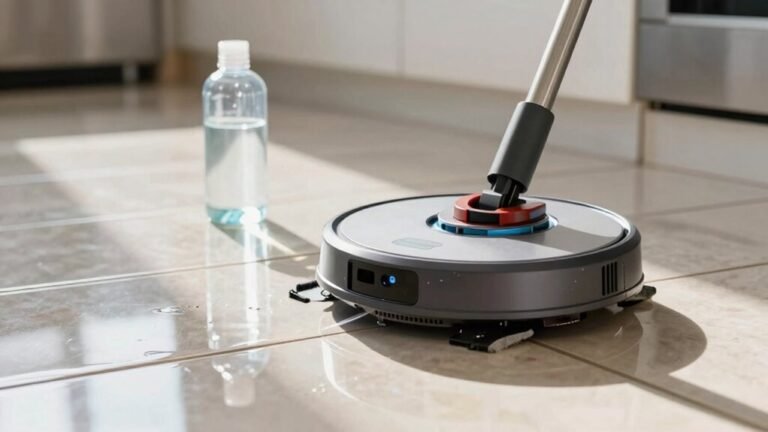
Yes, robot mops are safe on hardwood floors if you use them right.
Just keep the water low, stick to sealed floors, and skip harsh chemicals.
Use a pH-balanced cleaner or just water—your floor’s finish will thank you!
Soft brushes and smart sensors help avoid scratches, and emptying the dustbin regularly keeps grit from going on joyrides.
Think of your robot mop as a careful dancer, not a stomper—graceful, precise, and way less likely to wreck the party.
How Often Should I Replace the Mop Pad?
You should replace your mop pad every 3 to 6 months, depending on how much you use it—think weekly mopping or daily dashes.
If you’ve got pets or extra-dirty floors, swap it out sooner.
Reusable pads? Wash ‘em regularly and toss them when they start fraying.
Disposable ones? One or two uses max—don’t let them ghost you mid-clean!
Keep spares handy, because nobody likes a soggy surprise.
Can I Schedule Vacuuming and Mopping Separately?
You bet you can schedule vacuuming and mopping separately—most top bots make it a breeze!
Just fire up the app, pick your times, and let the robot handle the rest.
Vacuum in the morning to nab crumbs, then schedule mopping at night for a spotless shine.
With smart zones and auto-empty features, your floors get custom care without overlap or mess.
It’s like having two robots in one—minus the drama and extra cords!
Conclusion
You’ve got this! Vacuum first, and you’re golden—think of it like laying a clean canvas before painting. Skip it, and your robot mop might just throw a tantrum, spreading gunk like a clumsy chef. But hey, if your floors are mostly clean, you can bend the rules a bit. Team up your tools, and boom—floors so fresh, they’ll sparkle like a disco ball at a dance party. Easy, peasy, clean and breezy!
References
- https://www.ecovacs.com/us/blog/should-you-mop-or-vacuum-first
- https://www.ecovacs.com/us/blog/robot-vacuum-with-or-without-mop
- https://us.narwal.com/blogs/product/do-i-need-a-vacuum-mop-if-i-already-own-a-robot-vacuum
- https://ca.dreametech.com/blogs/blog/are-mopping-robot-vacuums-worth-it
- https://www.eufy.com/blogs/robovac/robot-vacuum-cleaning-solutions
- https://www.ecovacs.com/us/blog/how-much-dirt-can-robotic-vacuum-cleaner-mop-hold
- https://us.narwal.com/blogs/robot-vacuum/intelligent-dirt-detection
- https://www.irobot.com/en_US/roomba-105-combo-robot/Y314020.html
- https://us.3itech.com/blogs/news/comparing-mop-pads-in-robot-vacuums-flat-mops-vs-dual-spin-mops-vs-roller-mops
- https://vacuumwars.com/robot-vacuum-mop-systems/