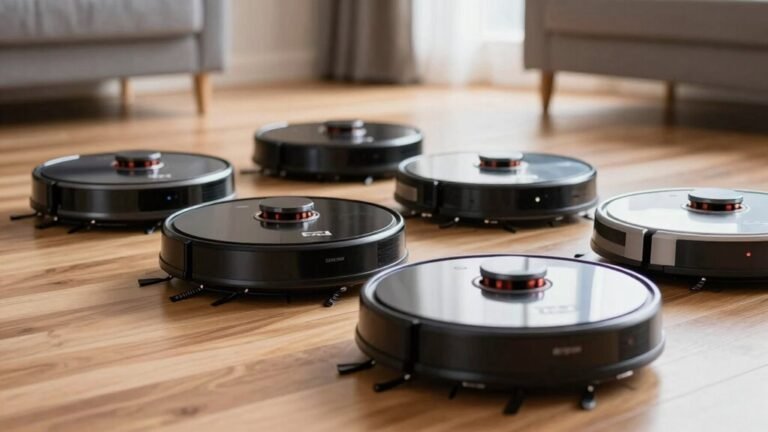
Are Expensive Robot Vacuums Better Than Budget Models?
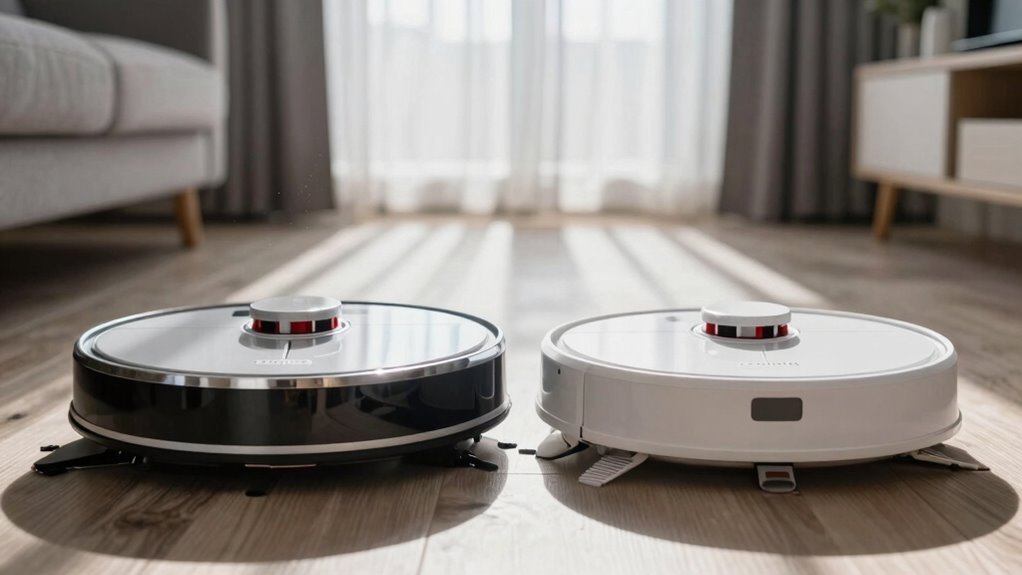
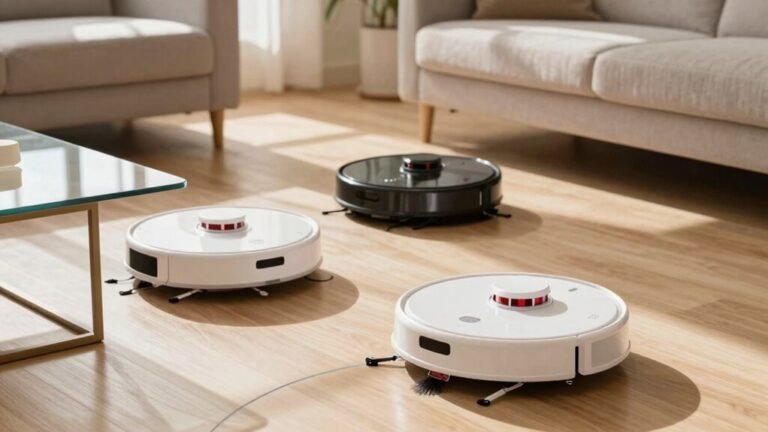
Are expensive robot vacuums better than budget models? Yes, they generally offer superior cleaning performance and advanced features that make maintenance easier.
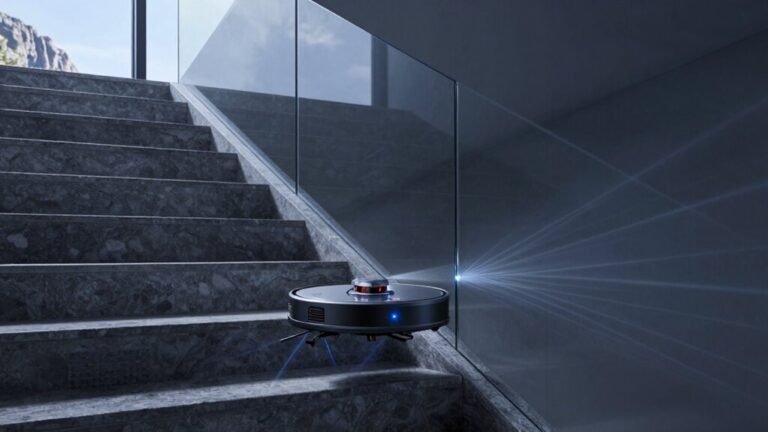
These high-end models come with stronger suction power, effectively picking up pet hair, dust, and crumbs even on carpets. They use smart LiDAR navigation to map your home accurately, avoiding obstacles and ensuring full coverage.
Many premium robot vacuums can transition over thresholds, detect rugs, and automatically adjust cleaning modes. Some even empty their own dustbins and wash their mops, minimizing the need for hands-on upkeep.
While the upfront cost is higher, the convenience, time savings, and consistent performance make expensive robot vacuums better for long-term use.
What Makes Robot Vacuums Expensive?
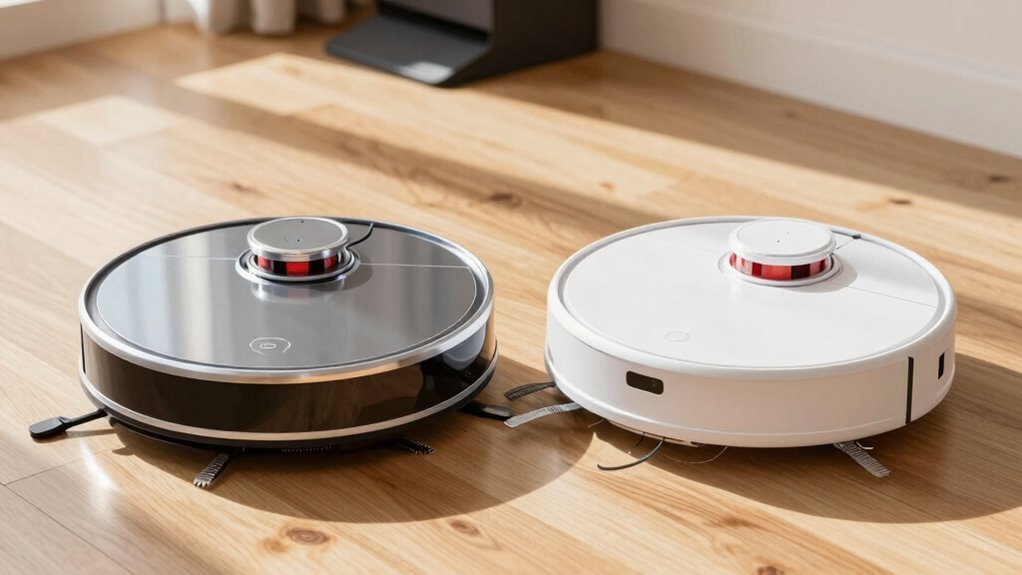
Ever wonder why some robot vacuums cost more than a weekend getaway?
Well, you’re not just paying for suction—you’re getting a mini tech powerhouse.
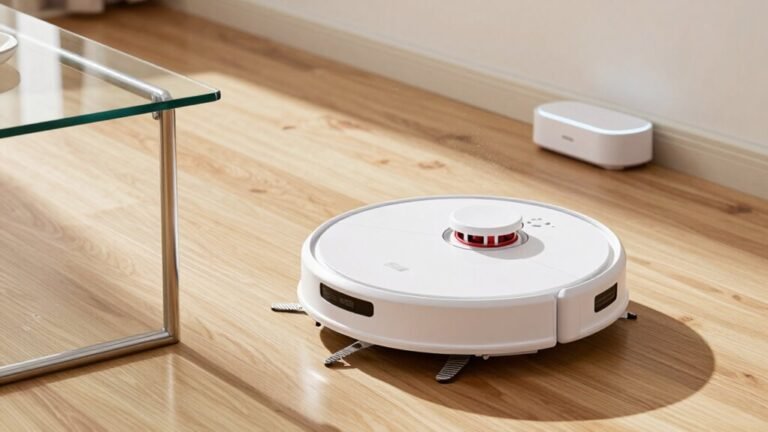
These premium bots glide from carpet to tile, lifting mops and brushes like they’re strutting on a runway.
With smart eyes (thanks to 3D scanners and LIDAR), they dodge toys, cords, and pet landmines like pros.
They even climb over door thresholds like tiny mountain climbers using AdaptiLift wheels.
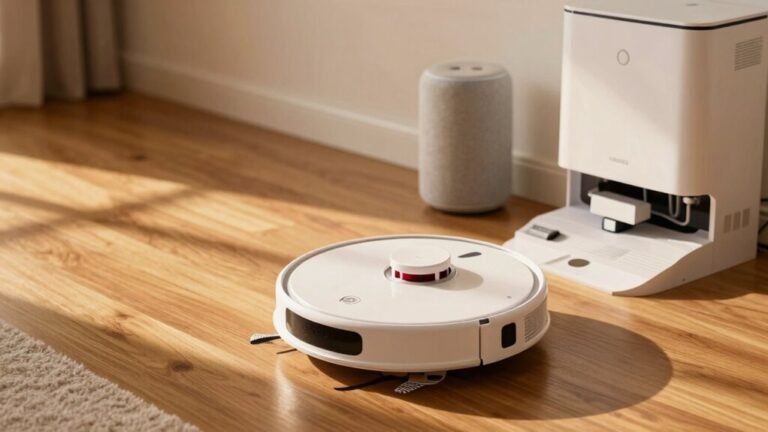
Hate touching dirty brushes? The self-cleaning dock washes mop pads with hot water, empties the bin every 30 minutes, and refills tanks—basically doing chores on top of chores.
Sure, you’ll replace dustbags and filters, but isn’t it worth it to kick back while your robot handles the mess?
It’s not just a vacuum—it’s your home’s new roommate who actually cleans up.
Top models like the Dreame L50 Ultra achieve high performance scores thanks to advanced features such as Self Empty Station.
Do Premium Robot Vacuums Suck Better?
How do the big guns of the robot vacuum world really stack up when it comes to raw cleaning power? Pretty darn well, actually. You’re looking at models like the Dreame Matrix10 Ultra pulling 30,000 Pa—way more muscle than budget bots under 7,000 Pa. That kind of suction chews up dust, litter, and even long hair without flinching.
The Roborock Saros 10R nails 98.25% pickup on hard floors, while the Dreame X50 Ultra gets 99.75%—crazy good. They adapt to carpets, tackle crevices, and don’t leave much behind (we’re talking under 1.5g gunk leftover).
With smart brushes, strong filters, and motors built to impress, these vacuums don’t just suck—they *dominate*. So yeah, if you want your crumbs terrified and your dust in therapy, premium definitely cleans better. Who knew a robot could flex so hard?
Some high-end models even feature a retractable pressure chamber for optimized debris intake.
How Robot Vacuum Mapping Compares: Premium vs Budget
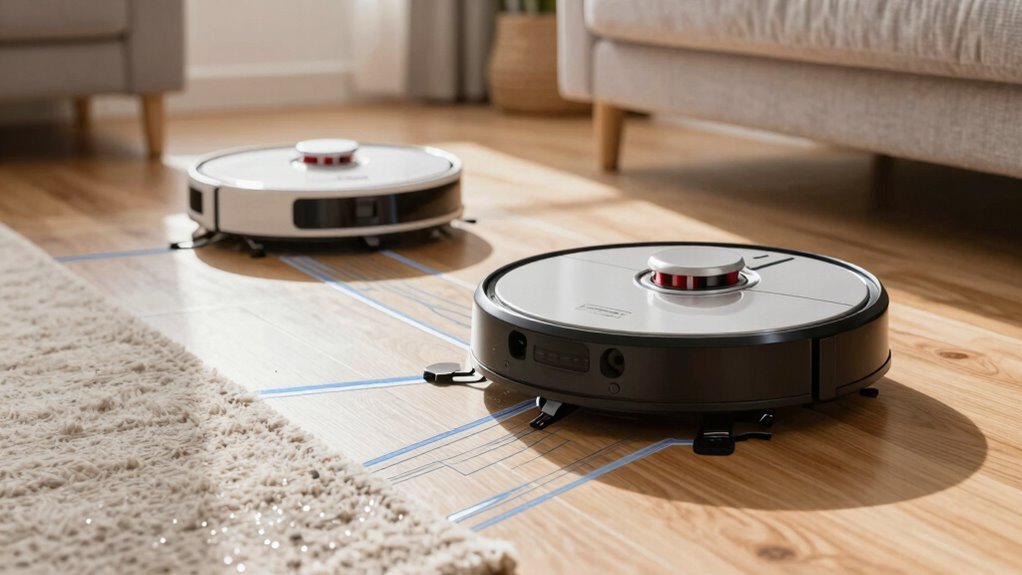
What if your vacuum could actually *see* where it’s going instead of playing pin-the-tail-on-the-furniture?
Premium robot vacuums do just that, using smart LiDAR and cameras to map your home like a pro.
They remember your layout, avoid obstacles with ease, and clean in neat, efficient lines—no more bumping blindly into couch legs.
Budget models? They mostly guess their way around with basic sensors, often missing spots or getting stuck.
But here’s the fun twist: some mid-range bots under $400 now pack LiDAR, giving you sharp mapping without the luxury price.
The app magic on high-end models is awesome too—zone cleaning, no-go lines, even floor-by-floor memory.
Cheaper ones keep it simple, lacking smart zoning or detailed maps.
Battery Life: Can Cheap Robot Vacuums Clean Bigger Homes?
Think your big house might be too much for a budget bot? Not necessarily—but you’ll need to pick wisely.
Many under-$400 models run just 30–42 minutes, which mightn’t cut it for large spaces, especially if they use random bump navigation like older Roombas.
But don’t panic! Some smart budget bots, like the Eureka E10S, clean efficiently—using only 40% battery for a full 60-minute run.
Others, like the Roborock, map quickly and cover big areas without wasting power.
Still, cheaper models often need recharging mid-clean or manual emptying, which means more babysitting.
For homes over 2,000 sq ft, mid-range bots dominate with longer life and smarter paths.
So yes, budget vacuums *can* handle big homes—but they might wheeze, get lost, or tap out early.
Choose one with LiDAR, and you’ll dodge the comedy of errors.
Smart Features Worth the Extra Cost
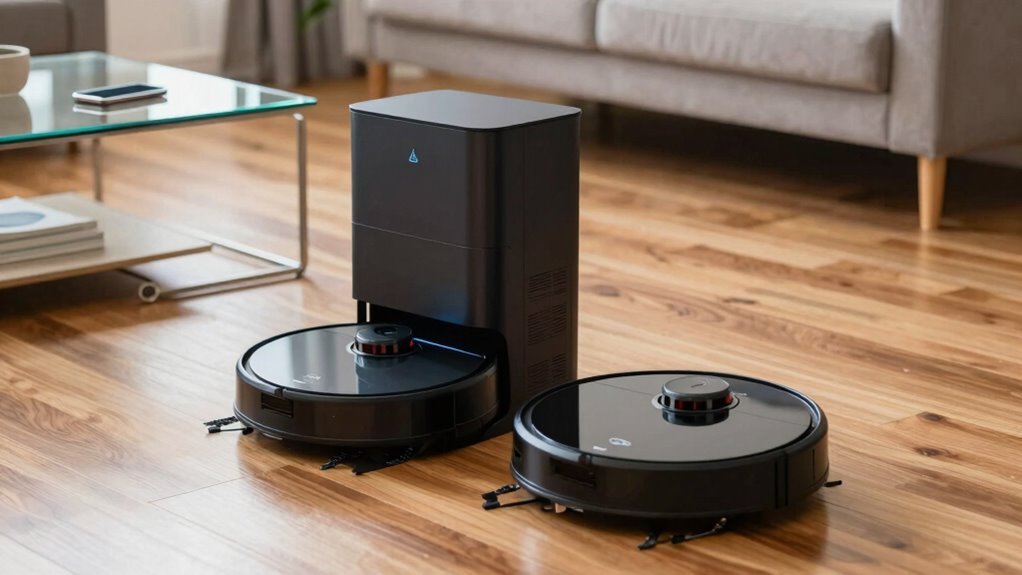
Ever watched your robot vacuum wrestle with a stray sock and lose?
High-end models won’t let that happen.
Thanks to advanced navigation with LiDAR and AI cameras, they map your home like pros, dodging toys, pet bowls, and shoes with ease.
The AI recognizes over 200 objects, so it actually knows what’s blocking its path.
Need to climb a big threshold?
No problem—AdaptiLift wheels adjust on the fly.
And with self-emptying docks, hot-water mop washing, and auto-refills, you’re not just cleaning smarter, you’re barely lifting a finger.
Some even let you check in on your pets through live video.
Sure, cheaper bots get the basics done, but these brainy upgrades save time, hassle, and a few laughs when your vacuum stops getting stuck under the table.
For real “set it and forget it” freedom, the extra smarts? Totally worth it.
Do High-End Robot Vacuums Cost More to Maintain?
How much time do you really want to spend babysitting your robot vacuum?
With a high-end model, not much.
It empties its own bin, washes and dries the mop pads, and even manages water—all without you lifting a finger.
Sure, you’ll still replace filters or brushes every few months, but so do budget owners, just more often.
Those little parts add up, but not wildly—expect about $9 a year for self-empty bags or routine swaps.
Both types sip electricity, costing just $5–$10 yearly to run.
The real savings? Your time and sanity.
High-end bots automate the gritty chores, so you’re not playing cleanup crew daily.
Less babysitting, more freedom.
And honestly, who wouldn’t pay a little extra for a robot that acts like a grown-up?
It’s like hiring a tiny, efficient roommate who never complains.
When a Budget Robot Vacuum Is the Smarter Choice
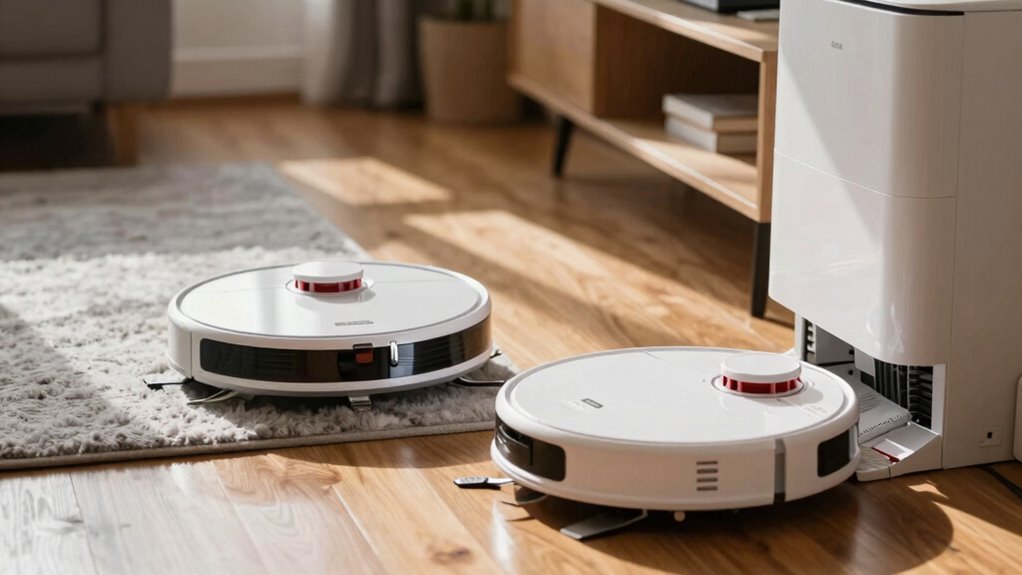
While you don’t need a robot that doubles as a butler to keep your floors tidy, a budget robot vacuum can still deliver serious cleaning power without cleaning out your wallet. You get smart features, solid suction, and reliable cleaning—all for under $300.
| Feature | Budget-Friendly Win |
|---|---|
| Cleaning Power | MOVA S10 pulls up 90% of embedded carpet gunk |
| Tech Smarts | Wyze uses LIDAR to map rooms, even in the dark |
| Battery Life | Most run 90–120 minutes—plenty for average homes |
| App Control | Schedule cleanings, set no-go zones, adjust suction |
| User Love | MOVA and Wyze earn raves for performance per dollar |
You’re not sacrificing smarts or strength—just overspending. Who knew your floor’s new BFF could be this affordable *and* effective?
Who Should Buy a Premium Robot Vacuum?
You’ve already seen how a budget robot vacuum can be a total game-changer for everyday messes and simple cleanups, but if your home throws bigger challenges into the mix, stepping up to a premium model might just be the smartest move you didn’t know you needed.
Do you own a large space over 2000ft²? Models like the Dreame X50 Ultra cover it all on one charge.
Got pets? Premium bots tackle long hair like pros, thanks to tangle-free brushes and extreme suction.
Mixed flooring? Sensors auto-adjust while lifting mops to protect carpets—no more soggy rugs!
In cluttered homes, they glide over thresholds and sneak under furniture like ninja cleaners.
And if you hate chores, imagine a robot that empties its own bin, washes its mop, and recharges—all without lifting a finger.
It’s like hiring a tiny, tireless janitor.
For homes with real dirt, real pets, or real square footage, premium means peace of mind.
You’re not just buying a gadget—you’re buying your time back.
Frequently Asked Questions
Can Robot Vacuums Clean Carpets as Well as Hard Floors?
No, robot vacuums don’t clean carpets as well as hard floors—you’ll see them zipping across tile like they’re on a mission, but thick carpet? Not so much.
They struggle to pull dirt from deep fibers, especially on high-pile rugs.
You’ll get okay results on low-to-medium carpet, but hard floors? That’s where they truly shine, sucking up every crumb like a pro.
Carpets just aren’t their superpower.
Do Robot Vacuums Work in the Dark or Low Light?
You’re in the clear if your robot’s packing fancy sensors, because they’re built to handle the dark like a pro.
Laser-guided models map floors fast, no night-vision goggles needed.
But basic bots?
They’ll fumble around, bumping into shoes like they’ve had too much coffee.
Watch out on dark floors, though—cliff sensors might freak and stop suddenly.
Just don’t expect miracles from cheaper ones, yeah?
Are Robot Vacuums Safe Around Pets and Small Children?
Yes, robot vacuums are safe around pets and small children when you use them smartly.
You’ll love how soft edges and slow speeds keep everyone safe, while sensors dodge pets and toys.
Just supervise toddlers—you don’t want them hitching a ride!
Use child locks and no-go zones for peace of mind.
Most pets adapt quickly; some even nap near the ‘vac-bot.’
It’s like having a quiet, clumsy roommate who cleans for you!
Can I Schedule Cleanings When I’M Not at Home?
Yes, you can schedule cleanings when you’re not at home—think of it like sending your robot on a solo mission, James Bond–style.
Use the app to set timers, start runs, or pick rooms while you’re out.
Wi-Fi keeps you in control, so you can zap dust from afar.
It’ll clean, map, and dock itself without you there.
Just schedule, leave, and return to a spotless floor.
Who knew your vacuum could be such a responsible grown-up?
Do Robot Vacuums Get Stuck on Cords or Thresholds?
Yeah, robot vacuums *do* get stuck on cords and thresholds—annoying, right?
Loose cords are like vacuum kryptonite, especially budget models that can’t see them.
Higher-end bots use smart sensors to dodge cords like pros.
Thresholds under 2 cm? Most handle those fine, but taller ones stall your bot.
Pro tip: tidy cords and check your door heights—your robo-pal will thank you, and your floors stay cleaner!
Conclusion
So, you wanna know if shelling out big bucks buys you a robot butler or just a dusty paperweight? Spoiler: premium bots don’t moonwalk, but they *do* map your chaos like GPS geniuses, suck up Cheerios like vacuum vacuums, and survive marathons without napping. Budget bots? Adorable, broke roommates. Great for small spaces and short flings. But if your home’s a jungle, go pro—your socks will thank you.
References
- https://vacuumwars.com/vacuum-wars-best-robot-vacuums/
- http://www.thesmarthomehookup.com/ultimate-robot-vacuum-and-mop-comparison-2025/
- https://www.youtube.com/watch?v=bSTaVJc-Se4&vl=en
- https://www.rtings.com/robot-vacuum/reviews/best/robot
- https://us.roborock.com/pages/robot-vacuum-cleaner-compare
- https://www.dreametech.com/pages/robot-vacuum-and-mop-comparison
- https://www.youtube.com/watch?v=8WxFAQmXhfs
- https://spicehometech.com/how-to/basics/premium-vs-budget-robot-vacs/
- https://www.dreametech.com/blogs/blog/budget-robot-vacuum-vs-high-end
- http://www.thesmarthomehookup.com/budget-robotic-vacuum-comparison-under-400/