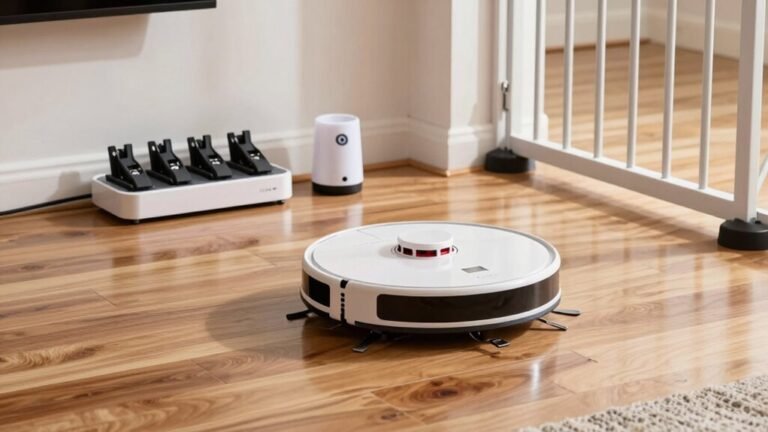
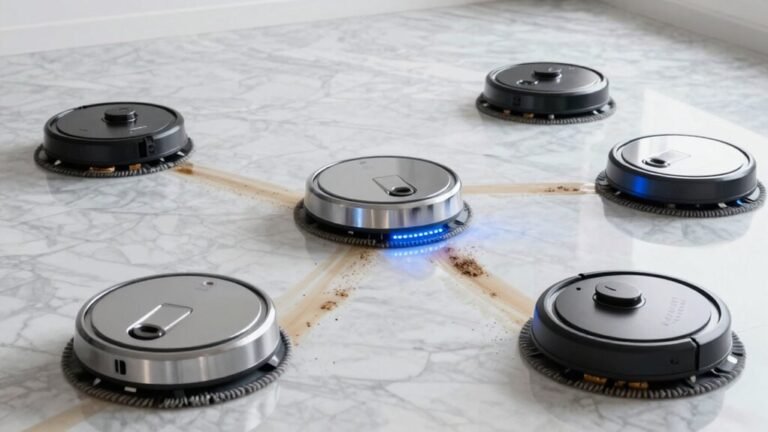
Can Robot Vacuum Mops Disinfect Floors?
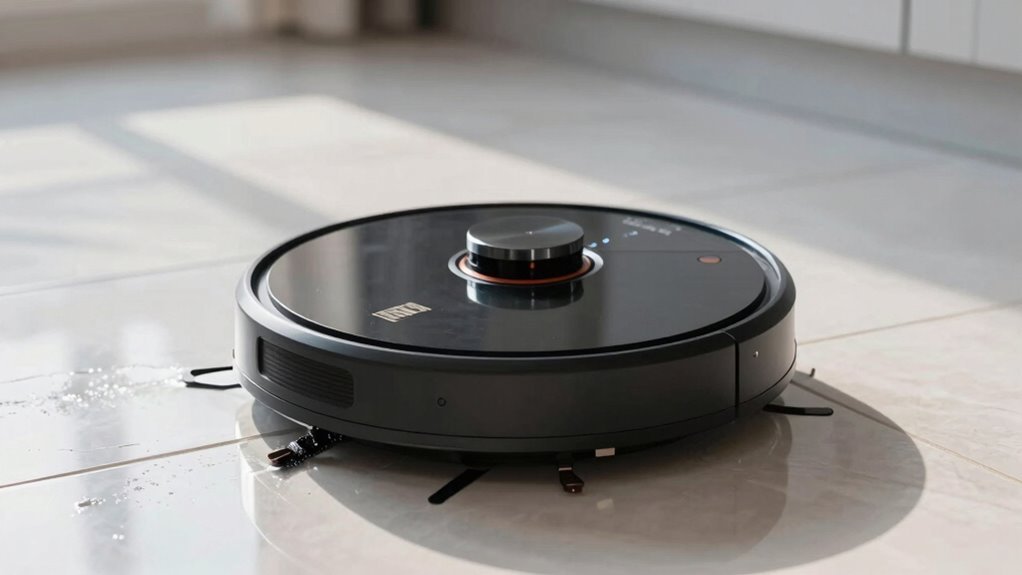
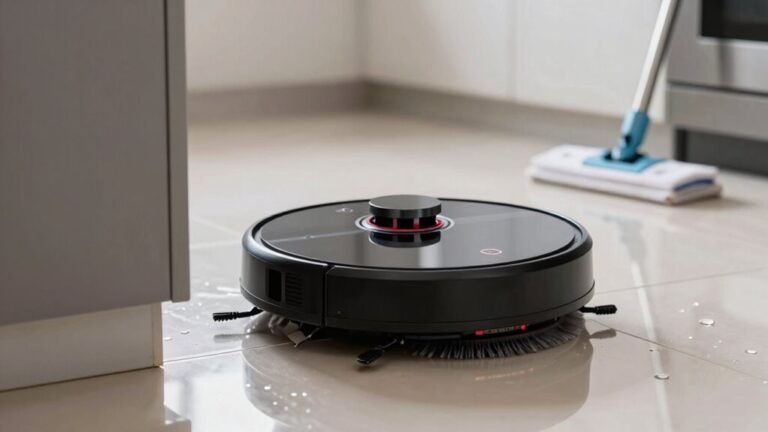
Can robot vacuum mops disinfect floors? Most models are designed to clean dirt and grime but don’t truly kill germs, so they don’t disinfect in the medical sense.
Real disinfection requires heat, UV-C light, or EPA-approved disinfectants—conditions that go beyond the basic wiping action of standard robot mops. While some high-end robot vacuum mops use warm water, UV-C sterilization, or hydrogen peroxide solutions to kill bacteria, many models lack these features.
Always check your robot’s specifications before assuming it can disinfect. Never use bleach or harsh chemicals not approved by the manufacturer—doing so can damage the device and create safety hazards. For truly germ-free floors, understand what your robot vacuum mop can (and can’t) do.
Does “Disinfecting” Mean More Than Just Cleaning Floors?
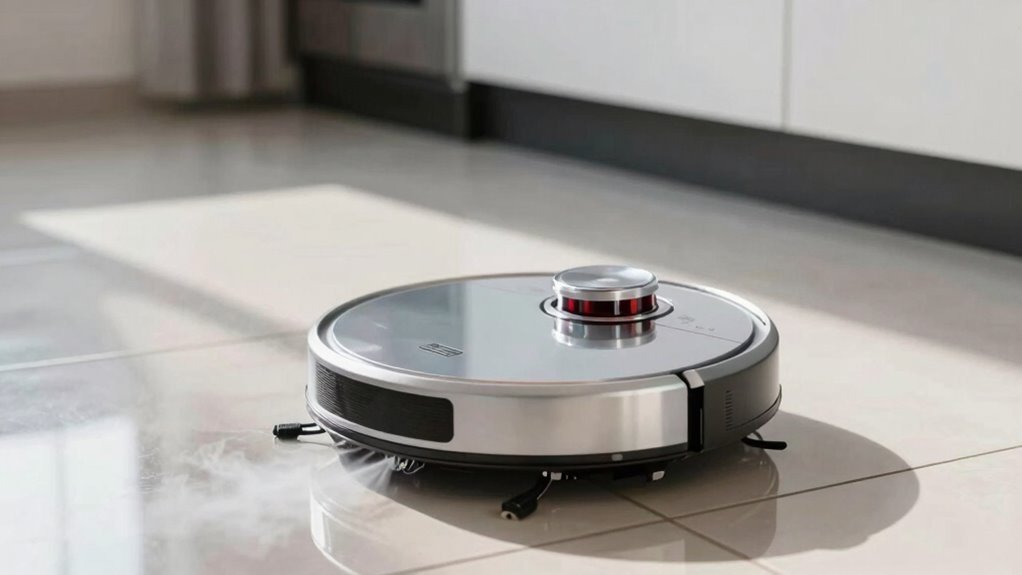
So, what’s really going on when your robot vacuum mop claims to “disinfect” your floors—just fancy marketing, or is your floor actually getting healthier?
Well, cleaning and disinfecting aren’t the same thing.
Cleaning just removes dust and grime—you’re making things look neat, but germs could still be partying underneath.
Disinfecting? That’s the germ-killing superhero step, using special solutions to zap 99.9% of bacteria and viruses.
But here’s the kicker: disinfectants only work if the floor is clean first—dirt can totally ruin their vibe.
So if your robot skips cleaning, its “disinfecting” mode might be all talk.
Plus, real disinfecting needs time—the solution has to sit for several minutes (not just a quick pass).
So unless your bot’s truly combining proper cleaning with EPA-approved solutions *and* contact time, it’s probably not disinfecting like you think.
Disinfecting reduces the presence of harmful microorganisms on surfaces, making it a critical step for true hygiene, especially in high-traffic areas.
Don’t let the label fool you—you’ve got smarter floors than that.
Can Robot Mops Actually Kill Germs and Viruses?
How clean is *clean*—really? If you’re counting on your robot mop to nuke germs like a UV superhero, here’s the scoop: some actually can.
Models with UV-C light blast away bugs using wavelengths that hospital robots use to kill MRSA, C. diff, and even drug-resistant viruses.
In studies, these bots zapped up to 95% of microbes on high-touch surfaces in minutes—faster than most people can fold a fitted sheet.
They’ve even handled tough hospital grime, slashing infection risks when paired with regular cleaning.
Robotic UVGI devices have been tested in real hospital CT and X-ray rooms, proving effective in clinical environments with tight spaces and complex workflows (autonomous operation in cramped radiology rooms).
So yeah, if your robot packs UV tech, it’s not just pushing dirt around—it’s on a germ hunt.
But remember, not all mops are created equal. Without UV, your bot’s more neat freak than ninja.
Still, it’s pretty cool knowing your living room floor could be cleaner than an operating room—no scrubs required.
Do Tap Water and Basic Cleaners Disinfect Floors?
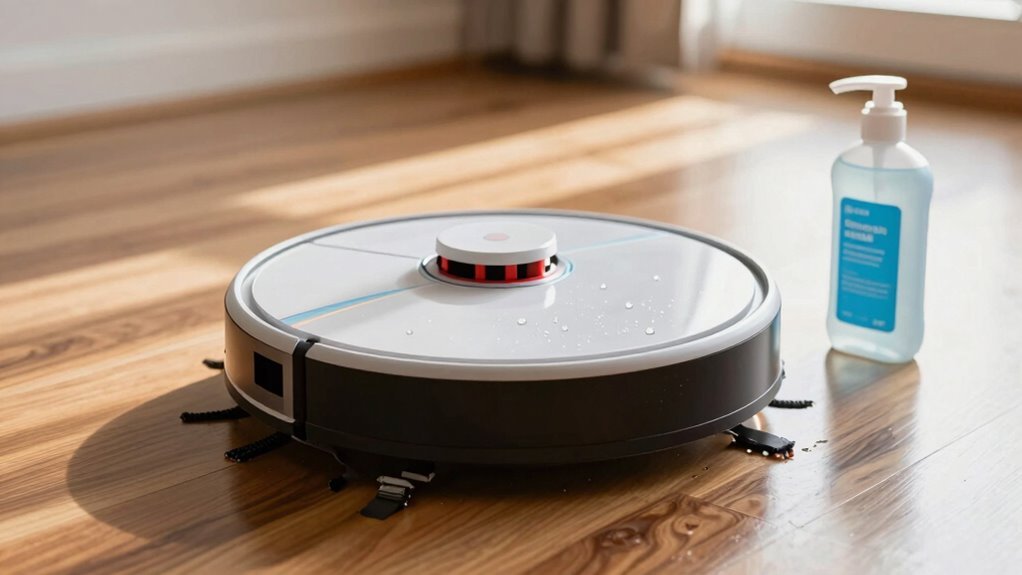
Ever wonder if plain tap water or basic cleaners can actually disinfect your floors—or are they just pushing grime around?
Good news: with the right tools like microfiber or a squeegee, tap water removes over 99.9% of bacteria—yes, really.
Systems like KaiFly and UniVac prove water alone can leave floors way cleaner than mopping by hand.
But don’t toss your bleach yet—tap water’s chlorine helps, though it’s not strong enough for all germs.
Basic cleaners like diluted bleach? They’re heavy hitters, killing viruses and bacteria fast when used right.
Just follow labels—1 cup per 5 gallons, wait 30 minutes, and you’re golden.
Still, neither water nor vinegar-baking soda combos kill every pathogen, especially stubborn ones like Crypto.
So while they clean brilliantly, true disinfection sometimes needs a stronger punch.
Think of water as your first line of defense—great helper, not a superhero.
Does UV-C Light in Robot Mops Kill Germs Effectively?
You’ve already seen how plain water can do a surprisingly stellar job cleaning floors—almost like magic, minus the sparkles.
But what if you could zap germs too?
UV-C light in robot mops does just that.
It’s not sci-fi—it’s science.
Shining at 254 nm, UV-C smacks down bacteria, viruses, and even superbugs by wrecking their DNA.
Think of it like a tiny, invisible ninja slicing up microbes without chemicals.
Studies show it knocks out 99.9% of pathogens, sometimes more—like E. coli, MRSA, even stubborn spores.
Robots roll right over shadows and corners, giving even coverage humans might miss.
Sure, dark nooks can hide, but mobile bots beat static lamps.
Hospitals use them to stay squeaky-clean, slashing infection risks.
You’re not just mopping—you’re sterilizing.
So yeah, that little robot isn’t just cleaning floors.
It’s throwing a germ party—and nobody’s invited.
Can You Use Disinfectants in a Robot Mop Without Damaging It?
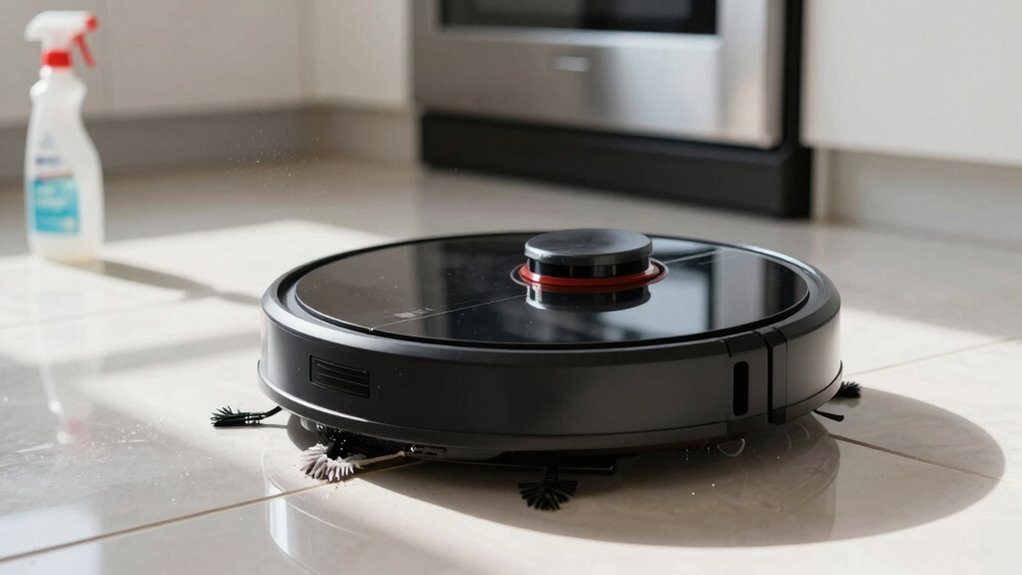
Wait—did you really just dump bleach into your robot mop? Please tell me no!
That stuff can fry rubber seals, corrode pumps, and leave your once-smart gadget spitting sludge.
Same goes for ammonia or Lysol—sure, they disinfect, but not without costing you a pricey repair.
Even your favorite DIY hacks like vinegar or dish soap? Yeah, they foam up like a angry cat and clog tiny tubes.
And sorry, Listerine lovers—it works in tanks but drains your wallet fast.
The real move? Stick to what the manual says.
Brands like Roborock, iRobot, and Eufy make their own low-foam, safe-for-robots cleaners that actually protect your machine.
HYKE, Bona, Narwal—all have bot-friendly options.
They clean, disinfect gently, and keep parts happy.
When in doubt, plain water’s always safe.
Bottom line: love your robot? Don’t poison it.
Treat it right, and it’ll keep your floors sparkling—without a meltdown.
Which Robot Mops Have Real Germ-Killing Power?
How clean is *actually* clean? If you’re tired of wondering whether your floors are just *lookin’* clean or *truly* germ-free, some robot mops’ve got your back — and your microbes.
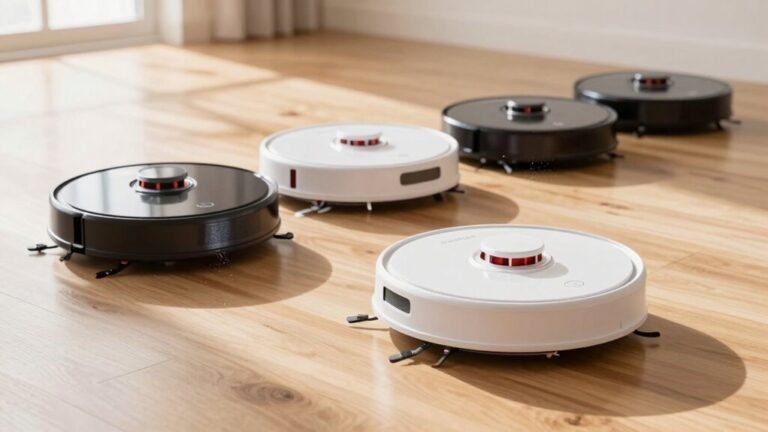
Take the Narwal Freo Z Ultra: it uses warm water up to 113°F, heated mop drying, and real-time mop cleaning to knock out grime and bacteria.
UV-C models go full sci-fi, zapping pathogens with light — studies show they slash germ levels in hospitals, and models like the RVC1 wipe out contaminants fast.
Roller mops like the MOVA Z60 and Ecovacs X11 keep water fresh and avoid carpets, so you’re not spreading gunk around.
Pair smart features with antibacterial brushes or hydrogen peroxide systems, and boom — your robot’s not just cleaning, it’s disinfecting.
Who knew your floor could get a spa day *and* a germ-killing glow-up?
Where Robot Mops Fall Short in Disinfection?
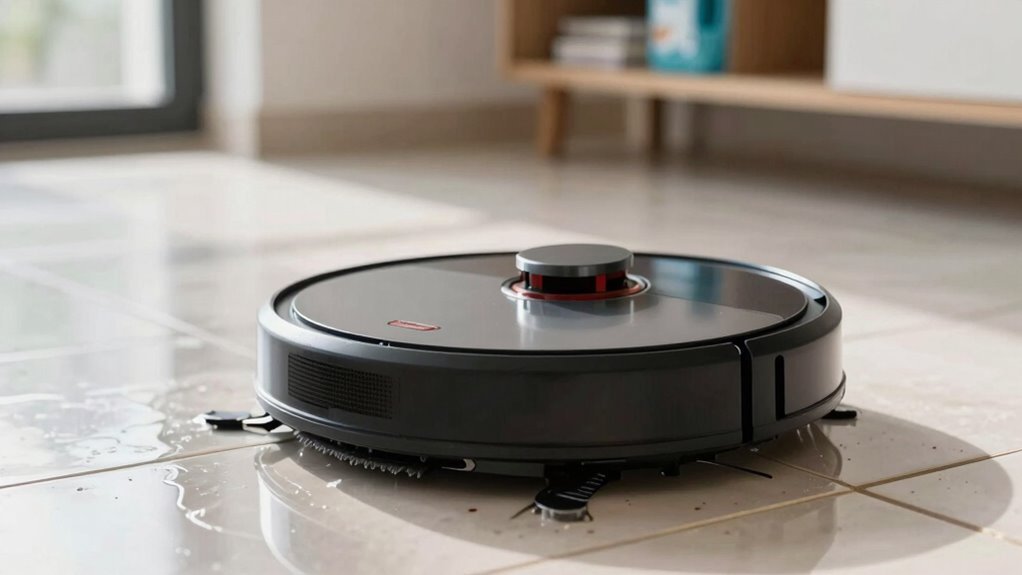
Robot mops bring the future to your floors, zapping germs with UV light and scrubbing away messes like tiny, tireless janitors — but they’re not magic.
You can’t just pour bleach or vinegar in and hope for heroics—those create nasty fumes and wreck your bot’s insides.
Harsh, unapproved cleaners often void warranties and leave sticky film, streaks, or clogged tanks, especially if they’re foamy or oil-based like dish soap or essential oils.
Yep, your favorite lavender oil? It’s basically glue for robots.
Residue builds up fast, and dirty water tanks become petri dishes if you skip rinsing.
UV light isn’t always strong enough, and hydrogen peroxide needs you out of the room—bots aren’t smart enough to sanitize safely around you.
Even Zep or DIY mixes might stain the tank or foam like a science fair volcano.
For real germ-killing, stick to approved, low-foam formulas—you and your robot will both stay happy.
When Should You Skip the Robot Mop and Disinfect Manually?
While your robot mop zips around like a tiny, high-tech janitor, there are times you’ll want to trade in that automation for some good old elbow grease—especially when the stakes are high. Skip the bot and go manual when:
- Someone’s been sick at home—viruses like COVID-19 need targeted disinfecting a robot might miss.
- You’ve got crusty spills or stains dried into grout—those need serious scrubbing power and fresh mop pads.
- After a messy event with lots of tracked-in gunk—robots struggle once debris builds up.
- You’re using special cleaners—robots can spread residue instead of removing it, unlike your careful hand work.
Robots are great helpers, but they’re not magic. Sometimes, you’ve just gotta show that floor *who’s boss*.
Frequently Asked Questions
How Often Should I Replace My Robot Mop’s Pads?
You should replace your robot mop’s pads every 3 months with regular use, but stretch it to 6–12 months if you’re light on cleanup.
Got pets or long hair everywhere? Swap them sooner—wear and tear love company.
Check for fraying or stains, and if your floors aren’t shining like expected, it’s definitely time.
Clean pads weekly, let ‘em dry fully, and keep spares handy—your robot (and floors) will thank you!
Can Robot Mops Work on Carpets and Rugs?
You bet they can—where there’s a will, there’s a way!
Robot mops handle carpets like champs, especially low-pile rugs under 0.5 inches.
They zip across cotton or commercial-grade carpets without a hitch.
Many models lift the mop pad automatically, so you won’t leave wet spots on your favorite shag rug.
Just avoid thick, plush piles unless your bot’s built for adventure—because nobody wants a vacuum stuck in a carpet jungle!
Are Robot Mops Safe Around Pets and Children?
Yes, robot mops are safe around pets and kids when used right!
They dodge obstacles, stop before stairs, and skip off carpets.
Most turn off UV lights when not needed, so no nasty rays.
Just keep cords, toys, and curious paws clear—nobody wants a tangled tail or surprised yelp.
They’re like little cleaning ninjas: quiet, smart, and always on duty.
Trust them, but don’t treat them like toys.
Fun, safe, and a total lifesaver on busy days!
Do Robot Mops Require Wi-Fi to Function?
No, you don’t need Wi-Fi for your robot mop to clean—honestly, it’s ready to roll right out of the box!
It maps rooms, dodges toys, and sweeps like a pro using its own brain, not the cloud.
You’ll only miss Wi-Fi perks like remote starts or app schedules.
Think of it as a solo dancer—adds flash with music, but doesn’t need it to shine.
Can Robot Mops Detect and Avoid Power Cords?
You bet they can, and they dodge cords like pros while humming your favorite tune—probably.
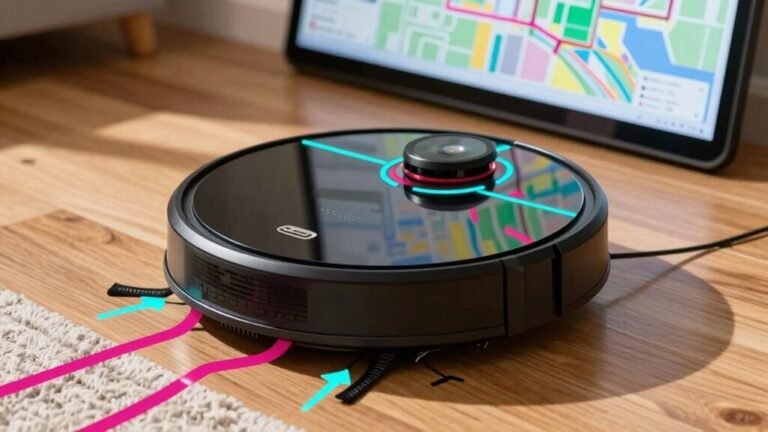
With LiDAR, cameras, and smarts to spot cords, they steer clear using rerouting tricks, auto-lift mops, and soft bumpers.
They see, think, and swerve—zip, zoom, no tangles!
Some even flag cord zones in the app.
Sure, thin ones under rugs might play hide-and-seek.
But overall, they’ve got this down pat—neat, tidy, and impressively clever.
Conclusion
You’re ready to let your robot mop glide through life’s messes, a tiny knight with a damp cape, fighting crumbs and dust bunnies. But when germs throw a wild party? It might just bring confetti, not a cleanup crew. UV light zaps some bugs, sure—but don’t toss your disinfectant spray yet. Think of your robot as a helpful sidekick, not the superhero. For real germ warfare, roll up those sleeves and join the battle yourself—clean floors, happy home, high-fives all around!
References
- https://www.proimagefacilitysolutions.com/disinfecting-vs-cleaning-whats-the-difference-and-why-it-matters
- https://www.clorox.com/learn/difference-between-cleaning-sanitizing-and-disinfecting/
- https://pmc.ncbi.nlm.nih.gov/articles/PMC9732774/
- https://www.lysol.com/tips-resources/protect-against-germs/difference-between-cleaning-sanitizing-disinfecting/
- https://www.cdc.gov/hygiene/pdf/331782-a_cleaning_sanitizing_disinfecting_508.pdf
- https://www.nj.gov/health/ceohs/documents/ccc-toolkit/ccc_cleaners-san-dis.pdf
- https://www.hillyard.com/blog-understanding-cleaning-sanitizing-and-disinfection
- https://www.forceofnatureclean.com/cleaning-vs-disinfecting-vs-sanitizing-whats-the-difference/
- https://www.altro.com/us/blogs/cleaning-vs-disinfecting-whats-the-difference
- https://pmc.ncbi.nlm.nih.gov/articles/PMC9731820/